






With the first Formula 1 season under the new technical regulations approaching its halfway point, the summer break provides a good opportunity to take stock. The 2026 rules, with their much greater emphasis on electric power, have sparked considerable debate both in and outside the paddock.
F1 insists that fan ratings – for example in its own Formula 1 Fan Voice programme – have been largely positive, but drivers have been far more critical.
Max Verstappen described the power unit regulations as “Formula E on steroids” during winter testing in Bahrain, while Oscar Piastri spoke at Spa-Francorchamps about the “self-learning elements” of the power units and “qualifying grids being decided by computers behaving or misbehaving”.
Asked by Autosport whether the criticism from drivers over the past few months had been stronger than the FIA expected, Tombazis responded: “I think drivers are, by definition, quite demanding clients. I don’t think we expected them to have a sugarcoat or to not speak their minds. So to say that it’s been more than expected, no, I wouldn’t say so.”
The complaints from drivers about energy management, super clipping and algorithms were also in line with what the FIA had anticipated, according to its single-seater director.
“We did anticipate a lot of these things that they have complained about in the two years before the launch of the season. We did try to make some adjustments, but we failed with the governance that was in place,” Tombazis said. “So I think it was realistically only to be expected.”
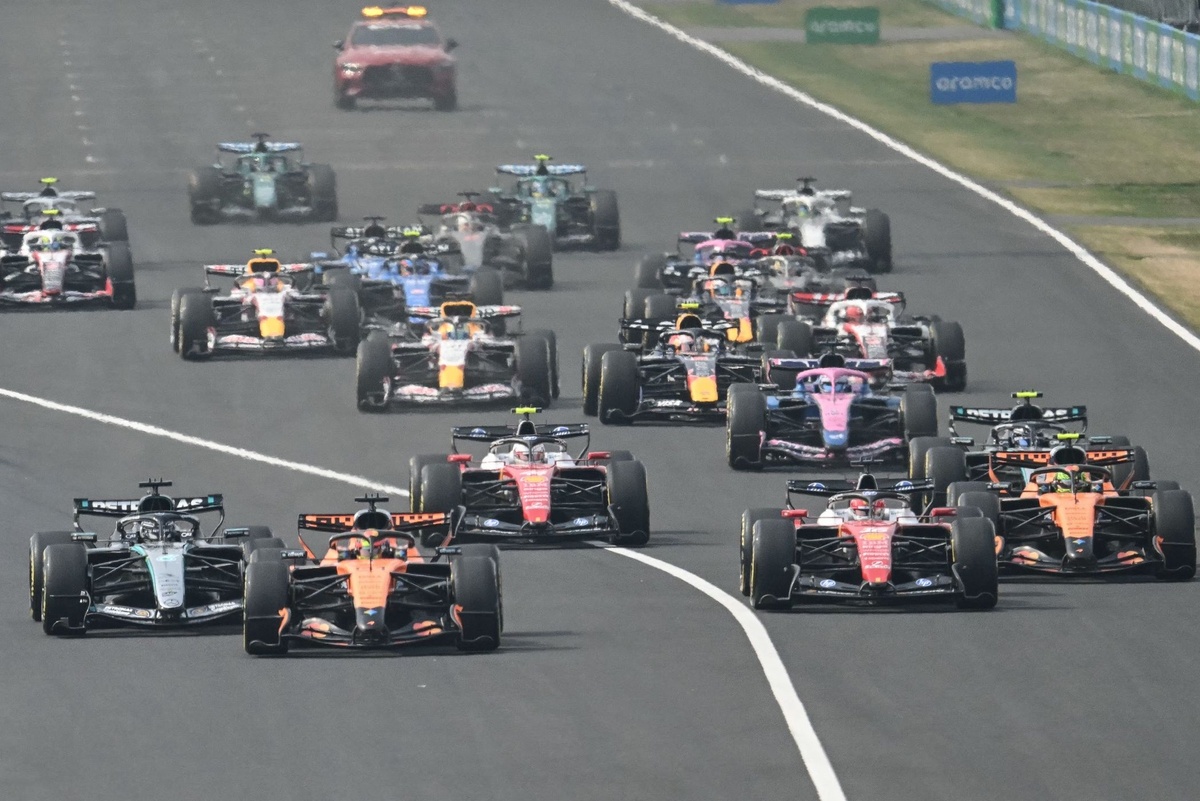
Energy-starved circuits such as Silverstone and Spa-Francorchamps have highlighted the shortcomings of the 2026 regulations
Photo by: Guido De Bortoli / LAT Images via Getty Images
FIA tried to listen to F1 drivers’ criticism in build-up to 2026
If it had been up to Tombazis, the changes to the regulations that have now been agreed for 2027 and 2028 – to gradually move to a 60-40 split – would ideally have been introduced much earlier.
“I think it’s a bit of a shame that we had to wait until we discussed things in May and get to a package for 2027 and for 2028. I think we could have ideally done that a couple of years before and then there wouldn’t have been all of this discussion,” Tombazis said.
Several drivers warned about potential problems with the new engine regulations before 2026. Verstappen was the first to do so publicly during the 2023 Austrian Grand Prix, when Autosport asked him about his initial simulator runs with the new engine formula.
That has perhaps created the impression that drivers were not listened to in the years leading up to 2026, but Tombazis insists the reality is different. According to him, the initial feedback was taken seriously, but the governance framework meant the regulations could not be significantly revised.
“When OEMs decide to participate as PU manufacturers, they sign a governance agreement that is binding towards all parties, so the FIA, FOM and the PU manufacturers. It’s similar to what the Concorde Agreement does for the team side of things,” Tombazis explained.
“And there was a separate governance agreement signed in 2022 in order to basically outline the requirements for the PU manufacturers during the years of 2023, 2024 and 2025. That is before the championship started because there’s such things like financial regulations for the first time.”

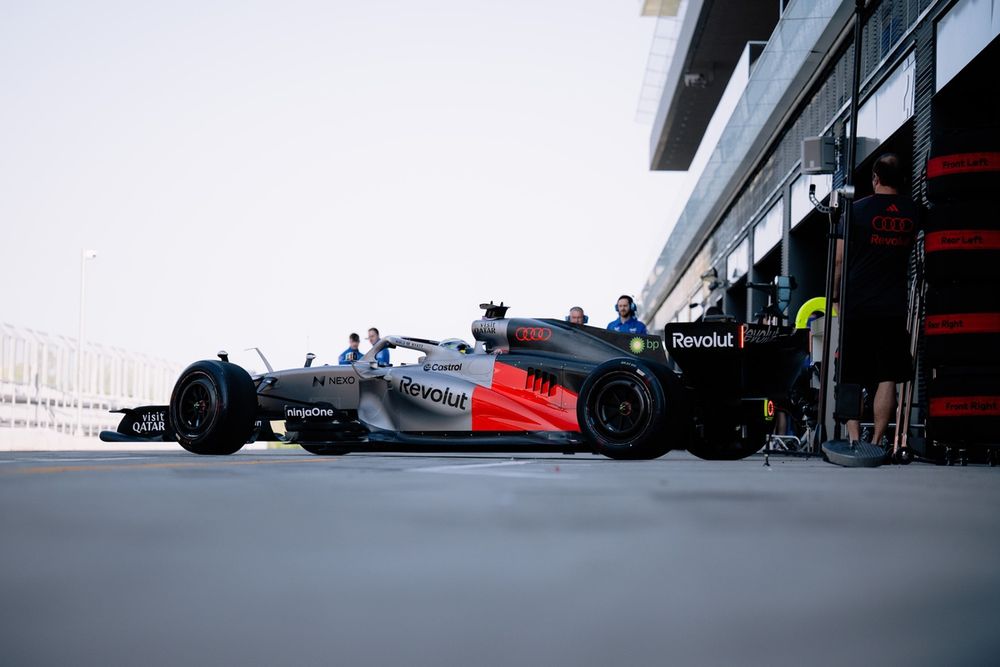
The FIA states that governance, even with new manufacturers such as Audi, has made intervention impossible
Photo by: Pirelli
Among other things, that agreement stipulated that new entrants would not be allowed to spend unlimited amounts of money to develop their 2026 power units.
“If a PU manufacturer who was not participating in Formula 1, let’s say Audi, they still had to be bound by regulations and not come to us and say, well, we’re not participating, hence we can spend five times the money. That would be unfair,” he said.
“So that’s why there was a governance agreement that on the one hand forced them to be bound by the regulations, including the financial and operational rules and all of that.”
At the same time, that document made it much harder for the FIA to reopen the regulations in the years leading up to 2026 without securing a supermajority.
“On the other hand it put limitations as to how much we could change things unilaterally as the FIA. And therefore any change had to be approved by a significant number of the PU manufacturers,” Tombazis explained.
“So for the sort of changes we did [in May], we needed at least four of them to agree. And quite simply, four of them did not agree during the years when we discussed some adjustments.”
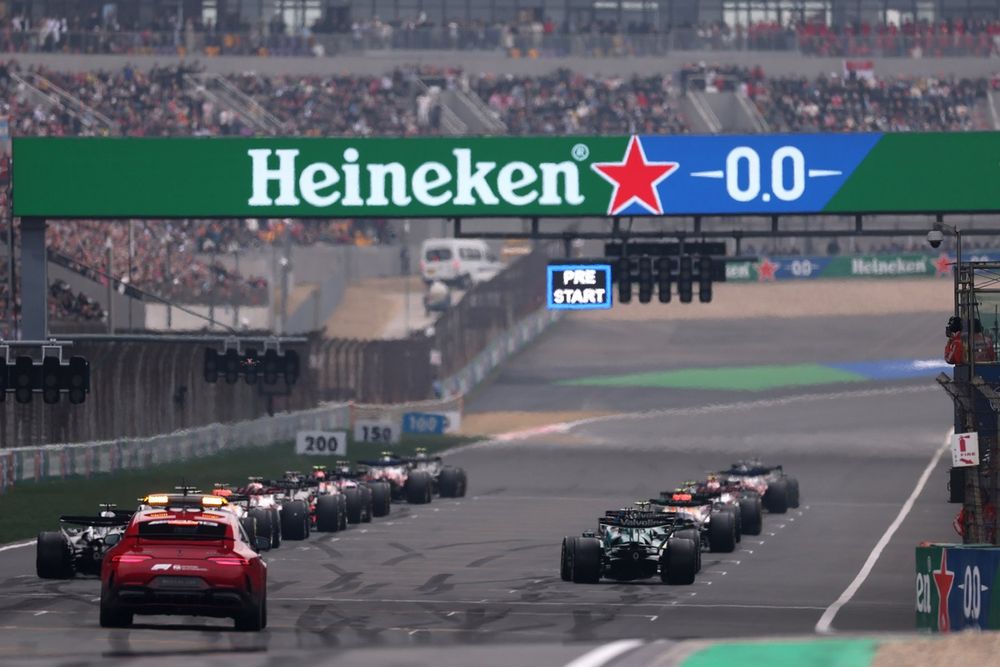
Tombazis had hoped that the changes for the coming years could have been implemented sooner
Photo by: Lars Baron / Getty Images
Challenges known since 2022, but races still entertaining
Part of the reason for that was that the reality of the automotive industry looked very different at the time, with manufacturers placing a much greater emphasis on electrification.
“Overall, it was always a challenging target to have a close to 50-50 power split between the two units,” Tombazis said.
“But that was a very important position for the OEMs participating, and frankly having to decide whether they want to be in Formula 1 or not. Don’t forget that if we didn’t have them in, we would have just two power units in Formula 1, which I think would have been a bit of an issue. So that requirement to have a much stronger electrical part did create these difficulties.”
Tombazis explained that the FIA had already become aware of these challenges in 2022, a year before Verstappen publicly voiced his concerns, but by then it was simply too late to fundamentally alter the regulations.
“As simulations came in back in 2022 or so, we knew there were these issues, but we were a bit too far down the line there to change things and some people had committed too much resource,” he said. “So that left us slightly on the back foot at the start of the season, discussing that.”
Tombazis concluded by stressing that, despite all of this, the races themselves have still provided good entertainment during the first half of the season.
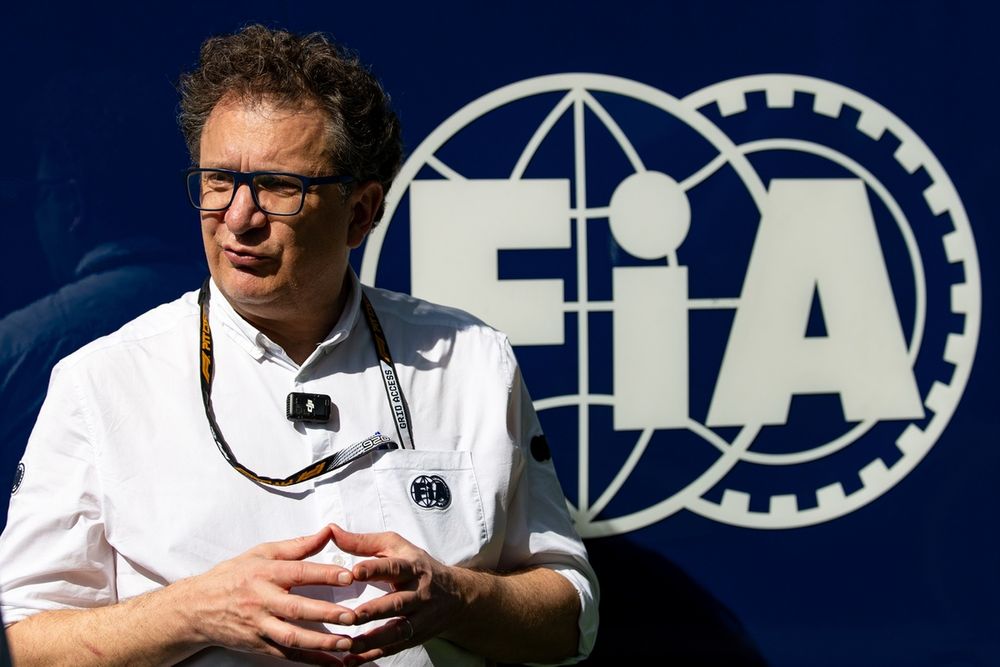
Tombazis feels despite the problems with the F1 regulations, the racing has been exciting
Photo by: Kym Illman / Getty Images
“Now with that said, I think most races have been pretty exciting, I would say. There’s been quite a lot of fighting,” he said.
“I would even say that currently we still have, I don’t know if I would go quite as far as to call it domination, but we do have a clear advantage for one manufacturer. And in the past when we’ve had that at the early start of the regulations, races have been very processional.
“Now I think, even despite the fact that Mercedes have been doing most of the winning, I think the races have nonetheless been quite exciting with quite a lot of changes and so on.”
We want to hear from you!
Let us know what you would like to see from us in the future.
Take our survey
– The Autosport.com Team
Read the full article here


