






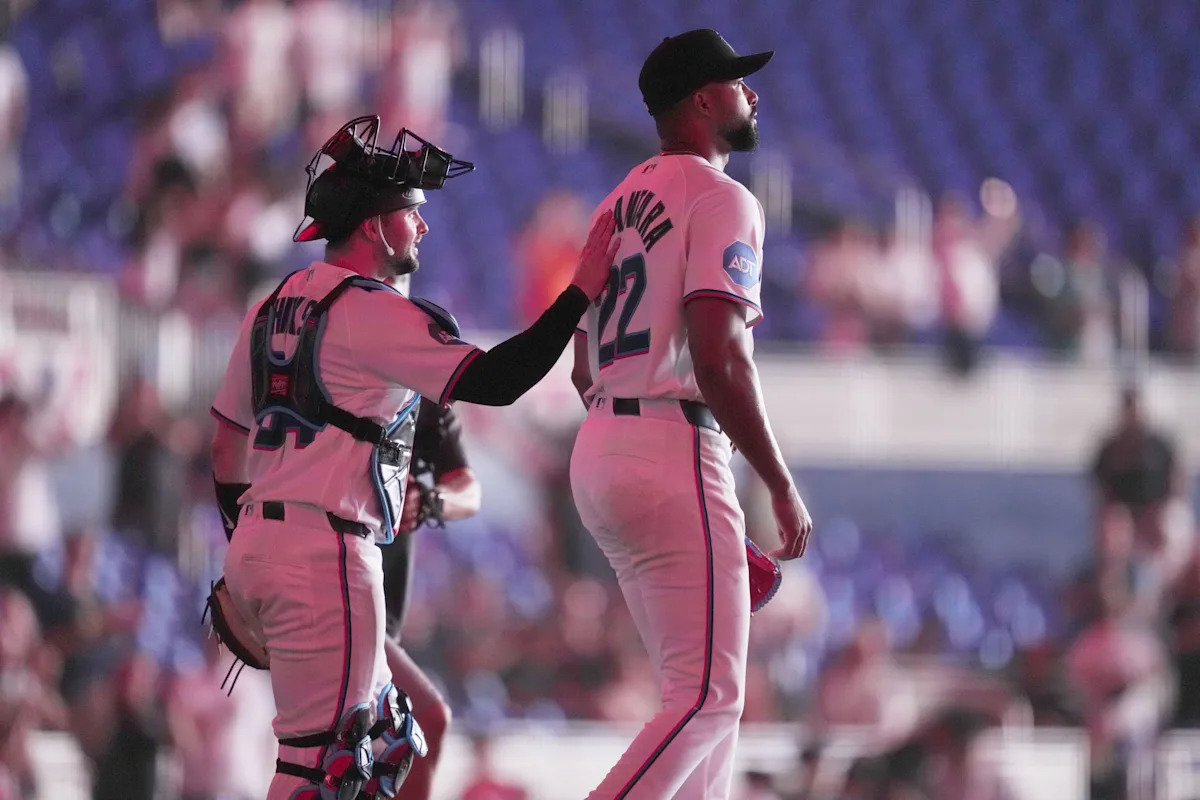
WASHINGTON – Miami Marlins manager Clayton McCullough was lauding his ace, Sandy Alcantara, for the seven strong innings he pitched against the National League’s most potent offense, and delivering the usual platitudes one would expect in a victory postmortem.
He mixed his pitches well, McCullough said of the former Cy Young Award winner. Used his entire arsenal. Kept James Wood, the most dangerous man on the Washington Nationals, off balance in limiting the 6-foot-7 slugger to an infield single and striking him out twice.
Yet the credit for what went on between the lines really only extended to Alcantara’s execution of the pitches.
The road map to set up and punch out opposing batters was almost exclusively the domain of two men perched in a photo well next to the Marlins’ dugout, armed with reams of data and flashing numbers and hand gestures to catcher Joe Mack, who would then glance at a wristband on his left arm and relay their order to Alcantara by pushing buttons on his PitchCom device.
And then Alcantara would deliver the pitch of choice.
The technologically crude relay system belies the stupendous amount of data informing every pitch decision. And it represents the latest modern battleground in baseball’s never-ending conflict between touch and feel and decision sciences.
Marlins catcher Liam Hicks and Sandy Alcantara after a complete game in April.
Since September, the Marlins have called pitches from the dugout, taking away the traditional task of the catcher to strip the emotion and proverbial fog of war from pitch selection. McCullough and the Marlins say the upside is nearly as much lightening the mental load for their young catchers and pitchers as it is the ability to process data in real time from the remove of the dugout.
And after years of pitch-calling remaining almost exclusively the domain of the catcher, there are now, in this PitchCom era, three ways pitch decisions are made.
The vast majority still prefer the catcher calling the pitch and punching a button to alert the pitcher. PitchCom also enables pitchers to call their own games, pushing a button on their belt to inform the catcher what they’re going to do.
And then there are the Marlins, whose stance seems largely at odds with scores of pitchers and catchers who say the men in the arena have the ultimate feel for what pitch should come next.
“We’re in a different era, obviously, of baseball. Analytics drives so many decisions,” veteran San Diego Padres right-hander Lucas Giolito tells USA TODAY Sports. “But that old-school part of me, man – that pitcher-catcher relationship, that communication before and during a game, reading swings, reading at-bats – I think that’s something players get better at with experience, especially catchers.
“Gameplans are only as good as what it gives you right when you go out there and sometimes you throw it out the window and make an adjustment based on how the hitters are doing. Do I still think that’s possible calling pitches from the dugout? Yeah, but now you’re getting a coach involved.
“For me, it feels like an extra step that’s not really necessary.”
For now, the trend is a drip, not a flood.
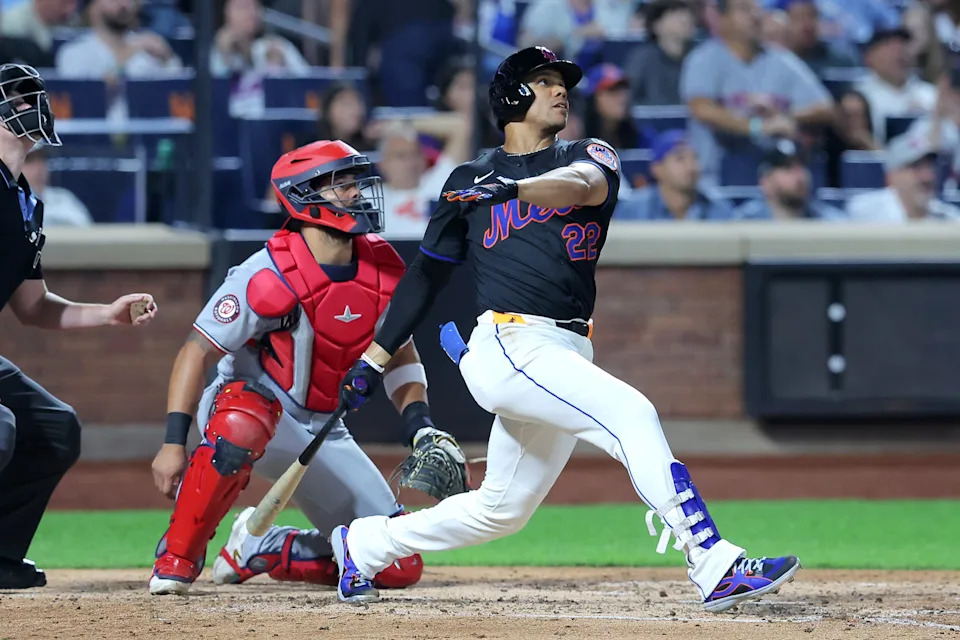
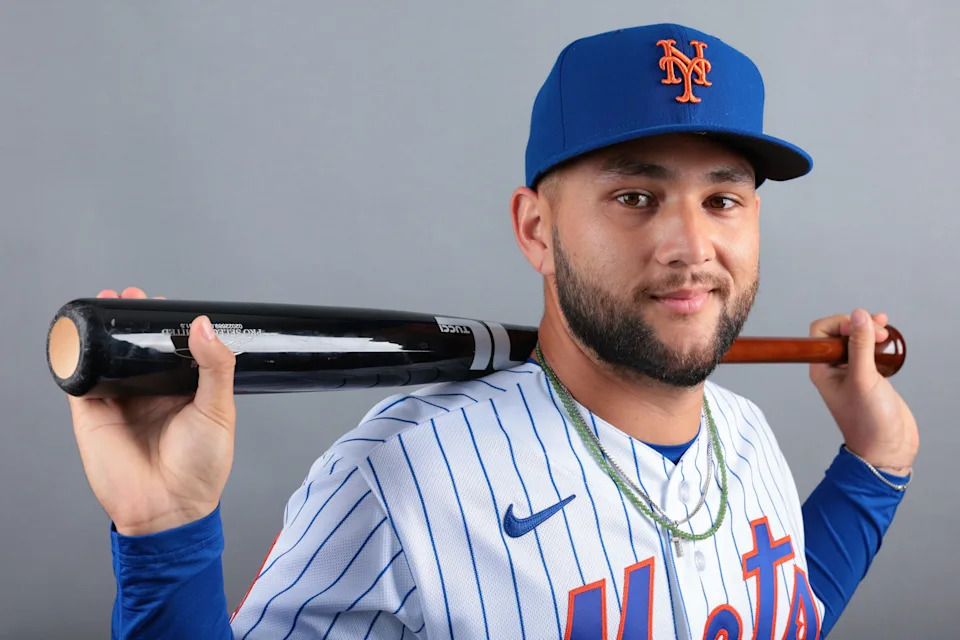
The Colorado Rockies are also calling some pitches from the dugout, though that’s within the context of a massive organizational overhaul that aims to solve the dilemma of pitching at mile-high Coors Field. The New York Mets dabbled in it during spring training.
Others have recoiled: Seattle Mariners All-Star catcher Cal Raleigh called it “stupid.”
And another contingent wants to see proof in the pudding, which leads down a rabbit hole of cause vs. correlation, the Marlins serving as the lab rats.






















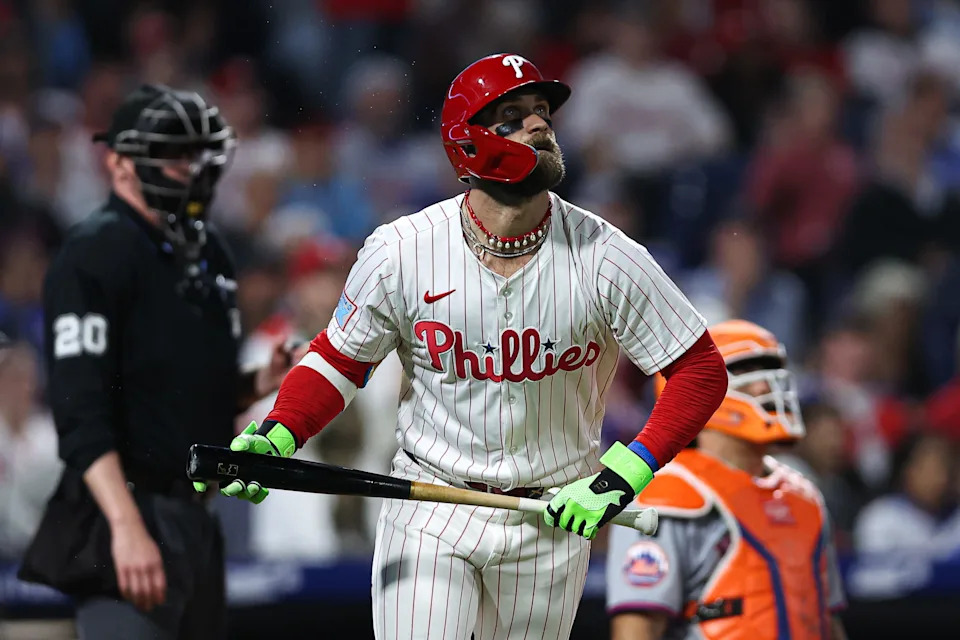


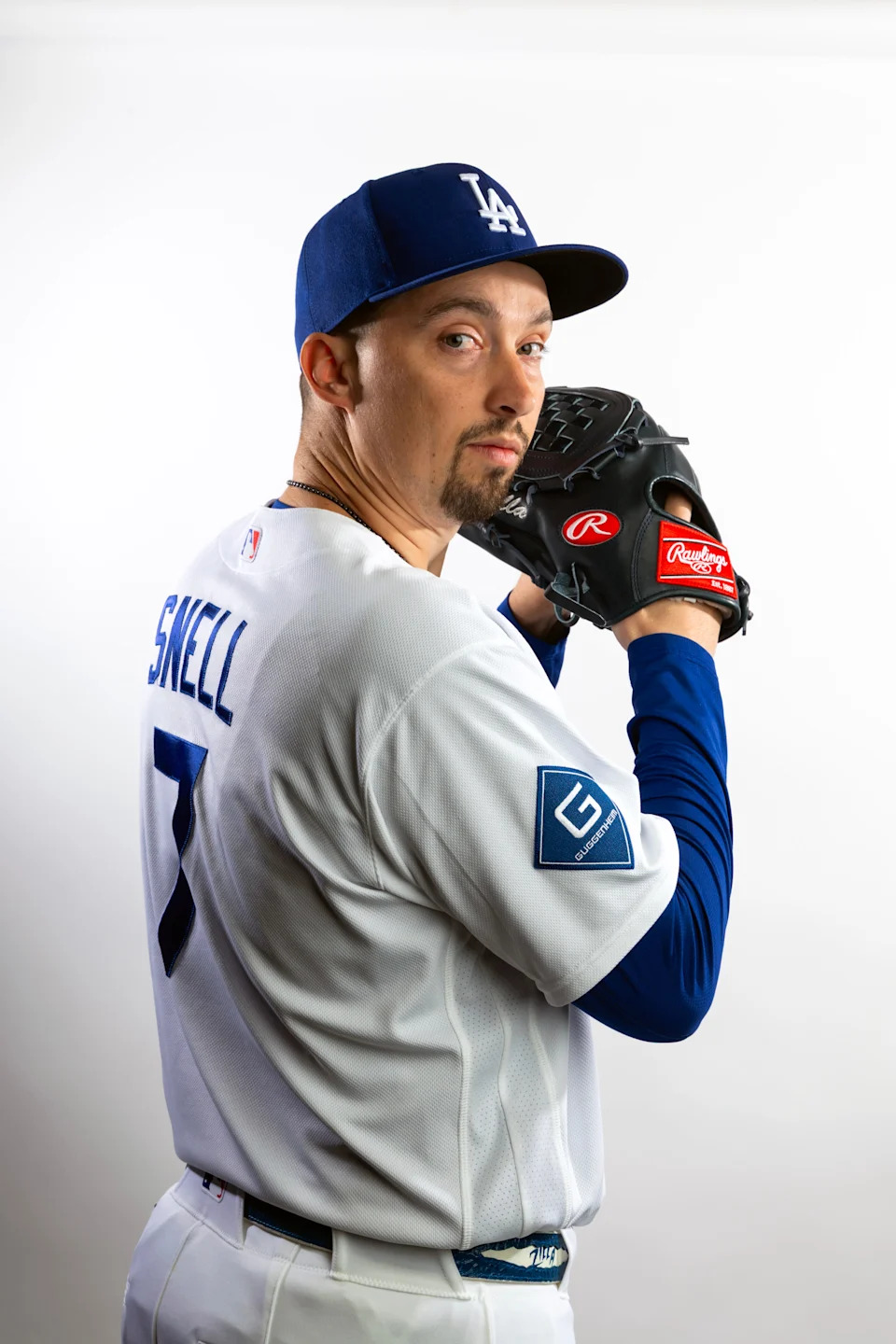
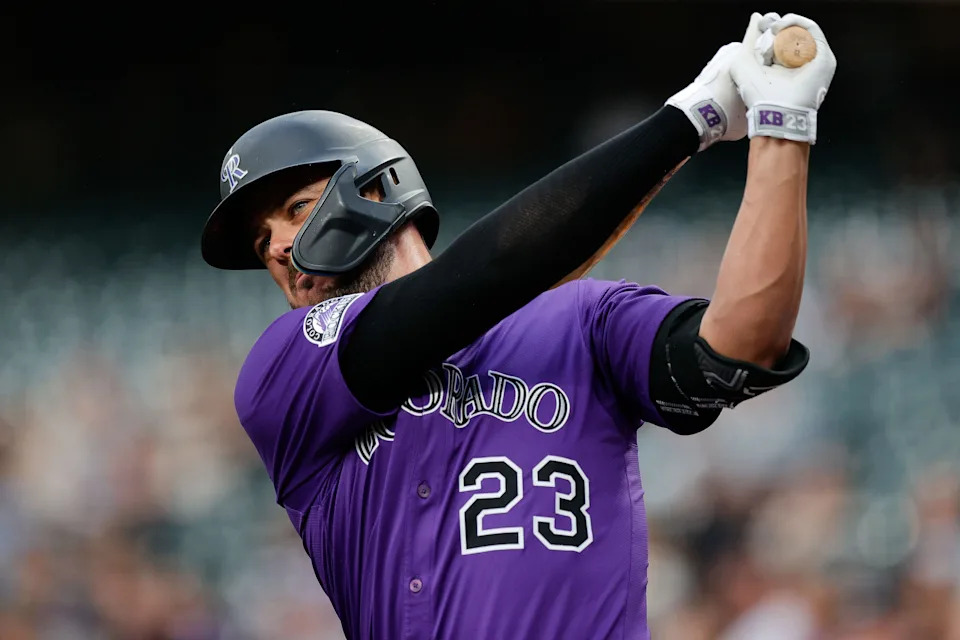

Call is coming from inside the dugout
And the Marlins are perhaps the definition of “inconclusive.”
They are having a relatively typical Marlins year, now 28-34 and exchanging fourth and fifth place in the NL East with the Mets with some frequency.
It’s not exactly the large step forward the franchise perhaps hoped for after Miami finished the 2024 season on a 54-32 heater. By September, the club decided to start calling pitches from the dugout, a practice they began with their Class AAA Jacksonville club.
Come 2026, Jacksonville pitching coach Rob Marcello was promoted to the big club, serving as assistant pitching coach. And he and major league field coordinator Aaron Leanhardt are often the ones relaying the signals, somehow an even more analog version of the goofy signs and posterboards college football teams use to relay plays in from the sideline.
The call from the dugout is typically signaled within two to four seconds of the pitch clock countdown beginning. Mack or Hicks push the buttons.
And the pitcher fires.
“It’s a lot different and it’s new to me,” Alcantara tells USA TODAY Sports. “I’ve been in the game a long time and all, so it’s different to me, but I just gotta keep trust. Because they are trying to do their best to help the young pitchers and the young catcher.
“I think it’s a great idea for us to get better.”
Alcantara, the 2022 NL Cy Young Award winner who underwent Tommy John surgery at the end of the 2023 campaign, is the senior member of the staff. Otherwise, it’s largely a young and moldable group of pitchers, with right-hander Max Meyer among those taking a significant step forward this season.
Despite the unique pitching arrangement, they did manage to import a handful of arms from other organizations, notably closer Pete Fairbanks and set-up man John King.
King, the former St. Louis Cardinal and Texas Ranger, has benefited from the pitching department reducing his reliance on his sinker, a very good pitch that he’d thrown 70% of the time. The team helped him add a sweeper, and now he’s throwing the sinker just 30% of the time.
More than a third of the way through the season, King has reduced his WHIP from 1.39 in entering this season to a career-best 0.72 and his hits per nine innings from 10.1 to 3.6.
“All the analytics and data they have – and them being emotionally apart from the game with all those numbers – what they want you to do is have a good mix,” says King. “Now,
I’ve become more unpredictable and I think they do a good job of seeing the hitters’ weakness but also relying on the pitcher’s strengths, and how they want to sequence their strengths together.”
Notably, King says the mental load has been considerably lightened. Yes, King and the catchers still do significant amounts of homework and pre-game prep, but “perhaps not as in-depth as I’ve done in the past, and I kind of like that,” he says.
“Because I don’t think we need to be thinking about 20 different things at once: Where do I throw my sinker? Where’s the best place to put this offspeed, especially with two strikes?”
And while taking away pitch-calling duties from Hicks might be professionally neutering him to some degree, it’s hard to argue with his entire contribution this season.
Hicks was a Rule 5 pick from the Detroit Tigers who stuck on the big league squad throughout the 2025 season and stayed in the organization. McCullough notes he still had to earn his way onto the roster this spring – and he did much more than that.
He now ranks third in the NL with 46 RBIs, has smacked 12 homers and has an .825 OPS while splitting catching duties with rookie Joe Mack. In an unprecedented information age in the game, the Marlins’ hope was that reducing the catchers’ homework would allow them to concentrate on other facets of their game.
Hicks would seem to be a beneficiary – even if the club has essentially taken away one of the core duties of his position.
“Yeah, calling a game is fun. Rewarding, after a win,” says Hicks. “So, you’re missing that a little bit. But you can also impact a game a lot of ways as a catcher.
“Coaches are doing a lot more homework than the catchers do. There’s gonna be times you’re not sure why they’re calling something but in the end it’s what’s right. They’ve never called a pitch without a reason behind it.”
More reasons, really, than you can imagine.
A nightly grade for the pitch-callers
If there’s any upside for catchers getting stripped of pitch-calling duties, it’s gaining the ability to say, “Hey, don’t look at me” after an opposing batter deposits a pitch over the fence.
“I feel for the catchers, because I feel like it handcuffs them. But it also alleviates the pressure,” says Blue Jays ace Kevin Gausman. “It’s coming straight from the dugout. So if it doesn’t work, it’s like, well, you guys told me to throw that slider.
“There’s positives and negatives to both of it. But I never thought I’d see it in the big leagues.”
Marcello, the 35-year-old assistant pitching coach, is the man largely charged with bringing it there. He workshopped pitch-calling as the Class AAA Jacksonville’s pitching coach, then was added to the staff this year.
He sets up in something resembling a sniper’s nest with major league field coordinator Aaron Leanhardt – also known as the guy who invented the torpedo bat – and they flash signs to Hicks or Mack.
By night’s end, the Marlins’ information machine will spit out validation – or scorn – beyond what the final score might indicate.
“There is an analytical grade, postgame, that they’ll give me,” Marcello tells USA TODAY Sports. “We hold meetings two or three times a week with everybody to ask, ‘Hey, what are we missing? What could we do better? How is this going?’”

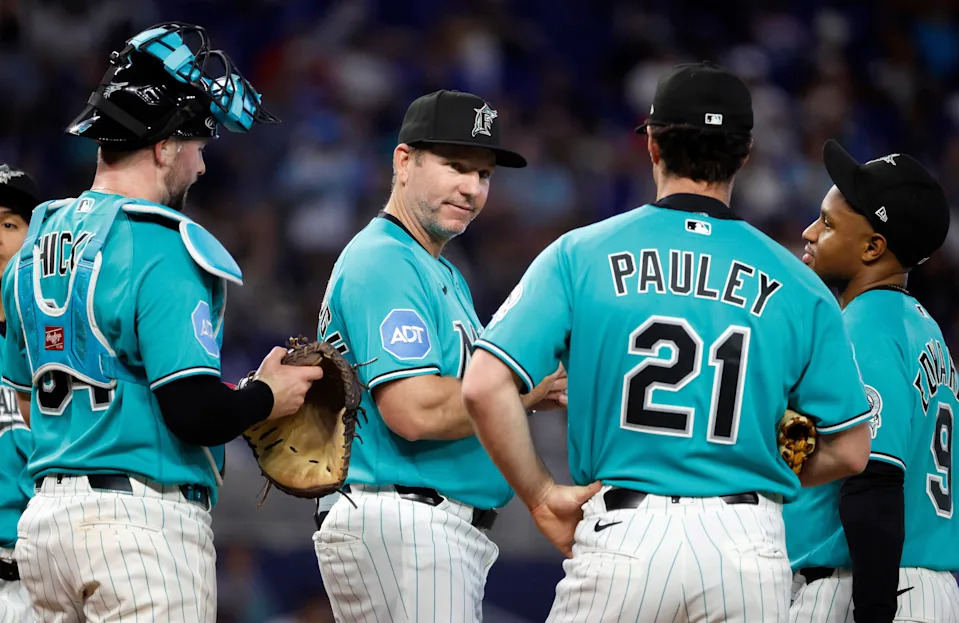
Marlins managerClayton McCullough during a pitching change.
For Marcello, the preparation never ends. He aims to be so well-prepared that he knows what the next pitch – sometimes two – will be immediately after signaling one to his catcher.
And he pushes back gently on the notion that coaches outside the field of play can’t see what’s going on.
“I do think there’s a lot to see from the side,” he says. “Hey, is this guy on time for the fastball, or not? And a lot of it is catchers giving information to me and having that in-game communication.
“And then a conversation after: How do we navigate it, make it a smoother road?”
It is admittedly strange to see, less than a decade after the Houston Astros’ sign-stealing gambit helped them win a World Series, a team so publicly pass along signs when the PitchCom system was designed to largely skirt that.
Opponents have noticed.
“You don’t push a button from the dugout. You’re giving signals,” says Baltimore Orioles pitcher Chris Bassitt, whose team won two of three games at Miami in April. “Those signals are pretty easily deciphered to tell you, pretty much, what’s exactly coming.
“Teams that do that? Keep doing it. It helps us.”
Marcello insists the Marlins’ system keeps their signals buttoned up and they are, predictably, vigilant about what they see and hear. He uses a privacy screen to ensure his information can’t be picked up by camera.
“There’s a lot of different sign cards we can put out there,” he says. “In a game. In an inning. If we feel like they might be on to us, I can change things right there without taking a break.
“If there’s cameras around, you can’t see unless you’re dead in front of it. We know teams will try. But it’s how you protect it all.”
All at the push of a button
As this experiment unfolds, an answer to the grander question – Is it worth it? – may remain elusive.
Despite the offseason trade of Edward Cabrera, the club’s ERA has dropped from 4.60 to 4.33, 11th in the NL, so far this season, though Alcantara is a year further away from elbow surgery and Meyer – sporting a 2.97 ERA – might have been due for a large step forward.
Legions of pitchers will do it a different way. Bassitt, Washington Nationals left-hander Foster Griffin and Tampa Bay Rays ace Nick Martinez are among those who call pitches themselves.
Griffin says it’s because his eight pitch offerings – and their potential locations – make it far more efficient with the pitch clock always lurking. Bassitt’s batterymate, Samuel Basallo, agrees with his pitcher that “the guys on the field have a better feel for what’s happening.”
And Martinez, who has a 1.62 ERA for the Rays, says a simple gesture from his catcher can strongly affirm that he pushed the right button.
“It goes back to that old-school mindset of conviction. The wrong pitch with the right conviction plays better than the right pitch with the wrong conviction,” says Martinez. “Sometimes I’m just convicted in a pitch and I’ll call it and (Nick Fortes or Hunter Feduccia) will be catching me and (nod) their head and acknowledge to me, I was on the right page.
“I beat them to the punch.”
In Miami, that’s the coaches’ job. You can see the conviction in the speed with which Marcello and Leanhardt throw their signs in the air, simple gestures with weeks of research and dozens of reports and countless meetings behind it.
Soon, the league will let them know if it was all so much wasted motions. Major League Baseball is a copycat industry, and time will determine if the Marlins are truly on to something.
They’re not waiting around for such validation.
“It provides us the opportunity to get in what we feel is the most appropriate pitch, Selection A, every time,” says McCullough. We continue to evaluate, we’re looking at certain metrics and we’ll continue to do that.
“We’re gaining more and more information over time as we do this and still believe it’s what’s best for us, the Marlins. It hasn’t changed why we still feel like it’s beneficial.”
This article originally appeared on USA TODAY: MLB pitchers, catchers and coaches debate who should call a game
Read the full article here


