





A plague of technical problems beset the train network out of Amsterdam on the Saturday morning of the Dutch Grand Prix weekend, raising the possibility that thousands of fans might miss the sprint race.
Lucky them.
Sitting, or indeed standing, on a crowded vessel of public transport reading one of those wretched pieces of AI-generated slash-fiction slop which bedevil the Kindle Unlimited service would probably have been preferable to occupying a hard plastic bench in the bleachers as the 24 processional laps unfolded. It was an object lesson in the folly of holding these sprint events at venues where overtaking is unlikely, save for the invisible machinations of tyre performance. Hold my Hertog Jan! Norris’s rear tyres are degrading! – said no one, ever.
Social media, a toxic waste of time these past couple of years, assumed some semblance of its former sporadically amusing self as users posted wit such as “This race could have been an e-mail…”Certainly one felt that anyone with a burning desire to see the drivers parading around in a line could do so on Sunday lunchtime when they wave at the crowd from the back of a flatbed truck. Failing that, they could put them in Lego cars again.
The long-standing argument in favour of sprint weekends is that having less practice time tends to lead to less predictable outcomes, since the teams have less time to finesse their set-ups. This, more or less, is true. Another point in favour is that practice sessions such as usually populate a weekend are inherently tedious for the audience, since there is no real narrative – just cars circulating a track to an unseen plan. Also difficult to dispute – but is there really such a difference between that and a high-speed procession masquerading as a motor race?
Also inarguable is the commercial reality that race promoters love sprint weekends because they sell more tickets – which is why F1 plans to double the number to 12 next season. Again, fine – but the racing needs to be better, or the sprint weekends should be distributed around those circuits where overtaking is possible, rather than operating via some abstruse grace and favour system where promoters get a sprint as an incentive or a pat on the head.
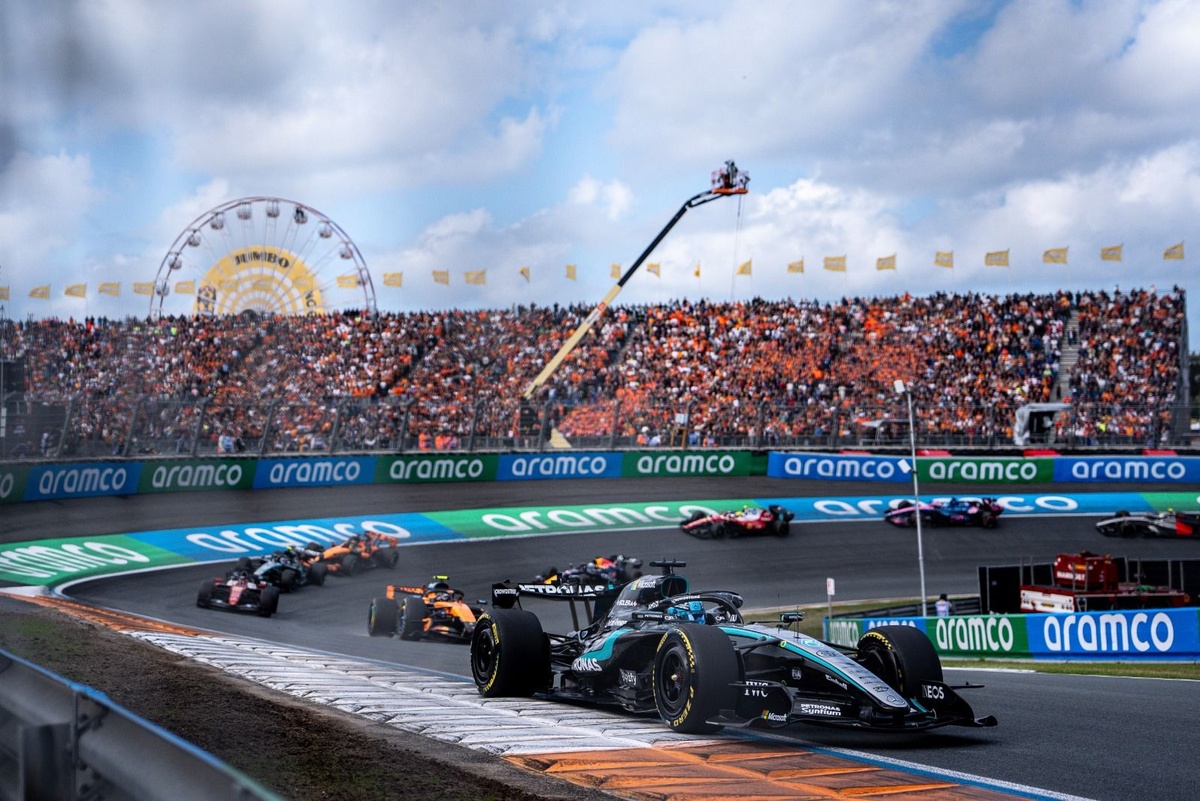
Leclerc achieved a rarity in the Zandvoort sprint – overtaking another car
Photo by: Simon Galloway / LAT Images via Getty Images
One can understand Zandvoort being handed a little something to maximise weekend ticket sales for its final event, given the energy Jan Lammers and his team have invested in bringing the Dutch GP back to life as a private enterprise without state backing. But Singapore, of all places, will host the next sprint race, for reasons known only to the commercial rights holder.
It’s time to accept that the sprint format isn’t suitable for all venues. Granted, Zandvoort is now heading into the vault of history, but there are plenty of other tracks still on the calendar with only one practicable overtaking zone requiring the chasing car to be half a second quicker than the chased. Combine that with most of the field running the same tyre and a procession is inevitable.
Sadly, F1 itself seems to take the contrasting view – that the sprint format is the finished product with no further need for iterative development. When first evaluated, over three events in 2021, the format was a qualifying session on Friday which set the grid for Saturday’s sprint race, the results of which in term determined the grid for the grand prix.
F1 was smart enough to iterate away from the initial flaws, would it not also be wise to continue that process and interrogate the format further
What quickly became obvious was that all this did was reset the grid in pace order, hence the evolution into the present format with separate qualifying sessions and parc ferme periods so the sprint in effect lives separately from the grand prix. At least it no longer functions as a spoiler for the main event.
Given that F1 was smart enough to iterate away from the initial flaws, would it not also be wise to continue that process and interrogate the format further, given the obvious shortcomings outlined above? The sprint races remain widely derided by drivers and fans, given their fundamentally uneventful nature.
Obviously the word “fans” does a lot of heavy lifting these days, since the size of F1’s fanbase means it incorporates a broad demographic spectrum. This enables F1 CEO Stefano Domenicali to wave his hands and say airily, with no meaningful data to back up his contention, that most fans don’t care about such things. Only last weekend, for instance, Domenicali once again sailed into Accidental Partridge territory in an interview with De Telegraaf where he opined, apropos the 2026 tech regulations, “There are die-hard fans who talk about clipping during a Formula 1 weekend, but there will also be many who think a clip is something you put in your hair.”
No further comment, your honour…

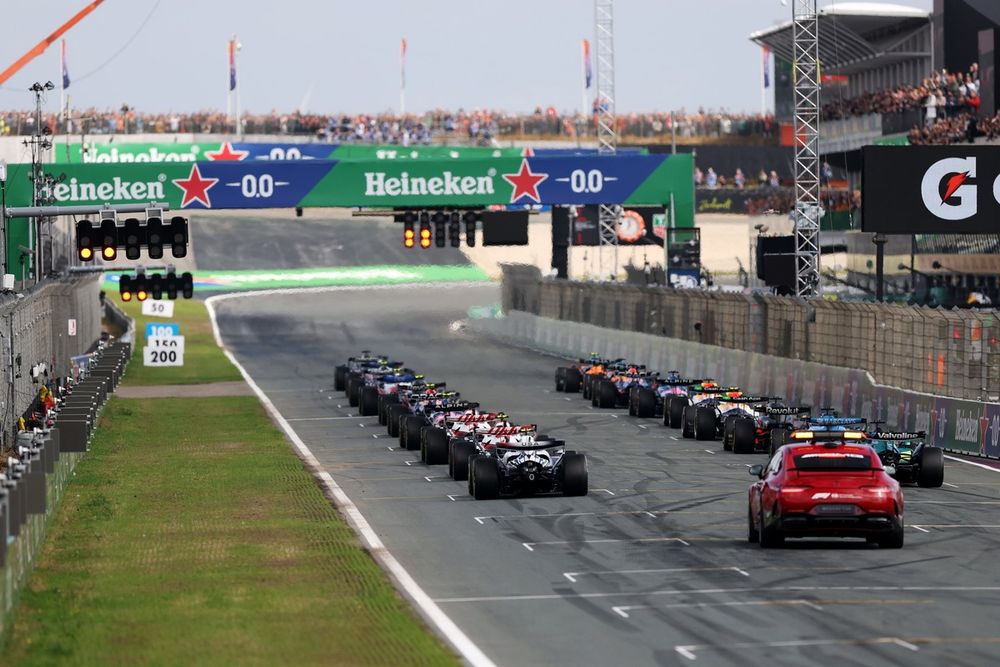
To sprint or not to sprint, that is the question
Photo by: Simon Galloway / LAT Images via Getty Images
We want to hear from you!
Let us know what you would like to see from us in the future.
Take our survey
– The Autosport.com Team
Read the full article here


