







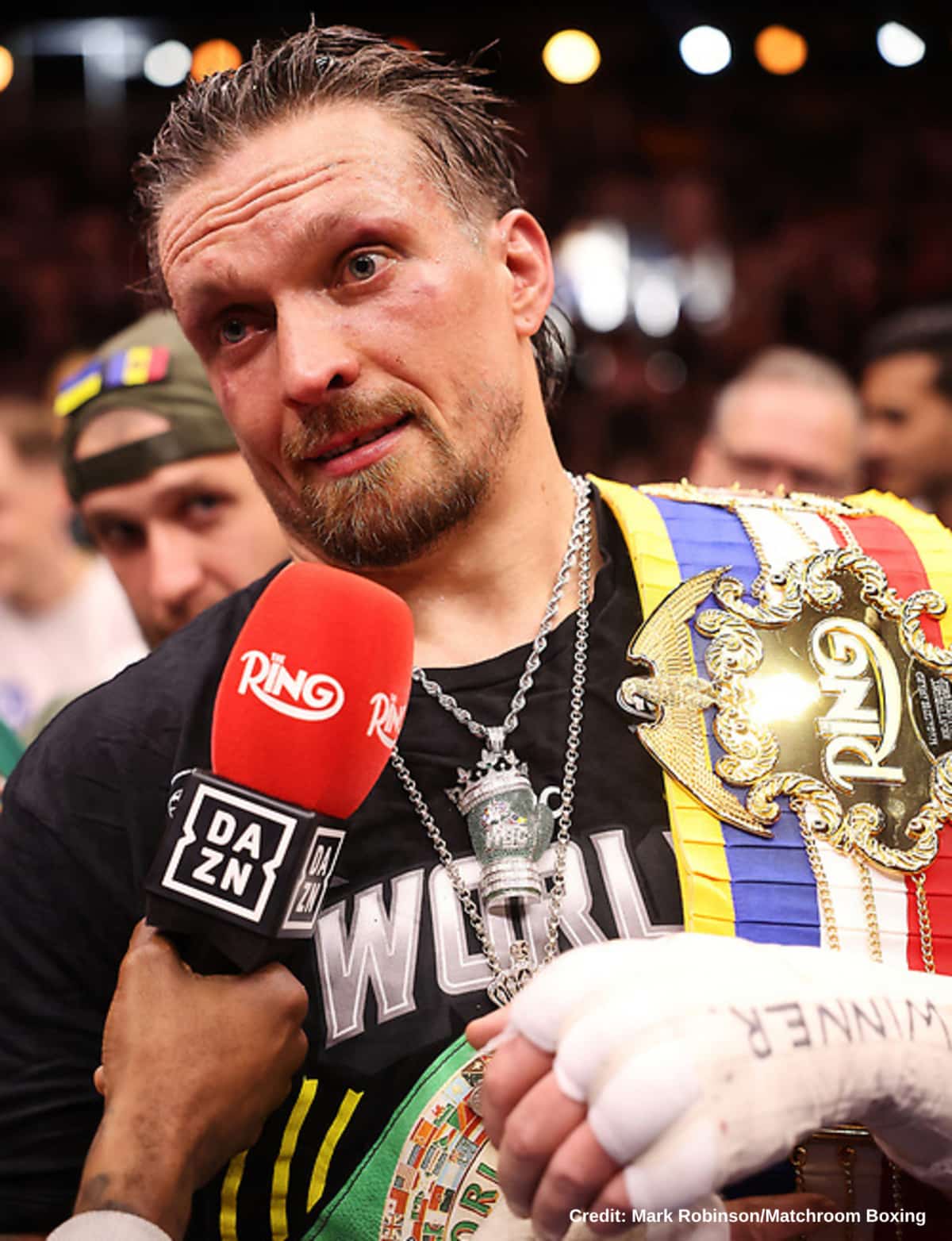


Usyk’s manager, Sergey Lapin, was unimpressed by the public offer.
“Usyk is not Tyson’s backup plan,” Lapin told Sky Sports. “If Fury needs an opponent, he should visit the Ready to Fight platform. They can help him find a worthy opponent there. Oleksandr is always open to big challenges. But serious intentions are backed by a concrete offer, not statements in the press.”
The Joshua negotiations have not stalled because neither boxer has formally refused to fight. Both men signed individual contracts, but their teams remain divided over the venue.
Joshua and Matchroom want Wembley Stadium, which they believe was included in the agreement. The organizers and broadcast partners favor Madison Square Garden in New York, where the event can be staged at a more convenient hour for Netflix’s American audience.
A Wembley event designed around United States viewing hours may require an early morning ring walk in London. That creates transportation, licensing, and logistical issues while asking British ticket buyers to attend a fight at an unreasonable hour.
Declaring the fight dead and naming Usyk gives Fury a way to pressure Joshua into accepting New York without admitting that the original contest remains under negotiation.
It is unclear how serious Fury is about pursuing the trilogy. Calling out Usyk gives him another famous name to mention while the Joshua event remains tied up over its venue.
Actually fighting Usyk would be a far greater risk. Fury lost both previous meetings on points and came close to being stopped in the ninth round of their first contest. A third defeat would make the Joshua event an even harder sell. The contest is already based largely on nostalgia. Both men are former champions in the later stages of their careers, and each has suffered damaging defeats.
If Fury lost to Usyk again, he and Joshua would hold a combined record of zero wins and five losses against the Ukrainian. Promoters would then be selling a meeting between two aging British heavyweights who repeatedly failed against the same opponent.
Having vacated his remaining heavyweight belts, Usyk can now select the final fights of his career without mandatory obligations controlling his schedule. He has no sporting reason to rescue Fury’s November date through a hastily arranged trilogy.
A pair of victories already settled matters in Usyk’s mind. Stepping in again calls for massive purses, extensive camp preparations, plus contract clauses honoring the undisputed winner of their first two bouts. Lapin’s reaction guards those advantages. The champion keeps possibilities open without letting Fury treat him like an easy backup while Joshua talks stall.
Ultimatums, false retirement vows, and substitute names constantly pop up whenever Fury sits at the bargaining table. This callout fits the usual routine: fabricate panic, point fingers, then pretend another blockbuster remains ready to sign. A trilogy could still materialize eventually. Yet a social media challenge hardly counts as an actual contract talk.
The real threat facing Fury and Joshua is letting this matchup disappear altogether. Without championship belts between them, another setback for either man would instantly erode their commercial draw. Every prolonged holdout simply turns the contest into a nostalgic showcase of past glories rather than a fight that matters in the present.
Until Fury’s team sends Usyk a concrete proposal, the trilogy callout is best understood as leverage in the Joshua venue dispute.
Read the full article here


