




For a long time, the word “pleats” conjured up images of the oversized, billowy trousers of the mid-nineties—garments that seemed to swallow the wearer in a sea of unnecessary fabric. But as the pendulum of style swings back from the ultra-skinny silhouettes of the early 2010s, we are witnessing a refined renaissance. The modern pleated trouser is a feat of balance; it provides the extra room and comfort of traditional tailoring while maintaining a sharp, tapered line that feels undeniably contemporary.
This shift isn’t just a nostalgic trend. It is a response to the way we live and move today. As we move away from the “static” office environment toward more dynamic, varied days, we require clothing that offers a greater range of motion without sacrificing a polished appearance. The pleat is, quite literally, an engineered solution to a physical problem: it provides a hidden reservoir of fabric that expands when you sit or move, then collapses back into a clean line when you stand.
The Engineering of the “High-Low” Silhouette
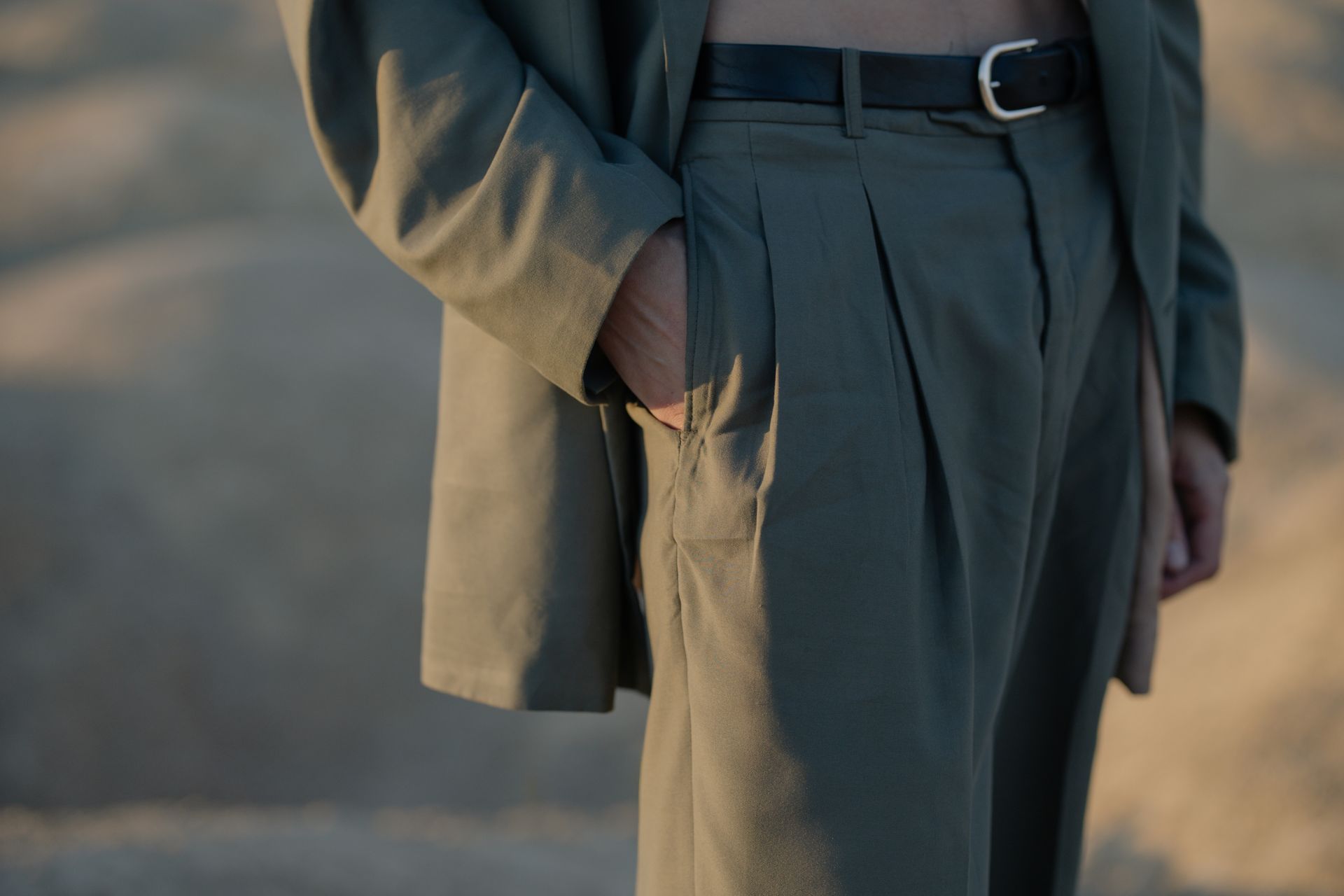
The beauty of the contemporary pleat lies in its construction. Unlike the “balloon” styles of the past, today’s versions are often high-waisted and sharply tapered toward the ankle. This creates a silhouette that is voluminous where you need it (at the hips and thighs) and streamlined where you want it (at the hem). It is a more forgiving cut that honors the actual proportions of the human body, offering a comfortable alternative for those who find “slim-fit” options too restrictive.
This added volume also changes the way a fabric drapes. In a flat-front trouser, the fabric is pulled tight against the body, but in a pleated version, the cloth is allowed to hang with a certain “swing.” This enhances the visual quality of the material, whether it’s the rugged texture of a heavy flannel or the airy lightness of a linen blend. Brands like Suitsupply have mastered this architectural balance, offering a range of pleated trousers that utilize side-adjusters instead of belt loops, creating a cleaner, more streamlined waistline that focuses all the attention on the drape of the leg.
A Sensory Connection to Craft
There is a tactile satisfaction in wearing a garment that feels “substantial.” When you opt for a pleated trouser, you are choosing a more complex piece of tailoring. The way the pleat is folded—whether it’s a forward pleat (opening toward the fly) for a classic British look, or a reverse pleat (opening toward the pockets) for a softer, Italian vibe—dictates the visual energy of the outfit. It is a detail that shows an appreciation for the “haptic” side of style.
This connection to craft is what separates a wardrobe of “basics” from a wardrobe of “pieces.” A pleated trouser doesn’t just sit in the background; it makes a statement about the wearer’s understanding of proportion and heritage. It is the choice of a man who values the history of tailoring but isn’t afraid to adapt it for a modern context. By pairing these trousers with a tucked-in knitted polo or a crisp shirt, you create a look that feels thoughtful, artistic, and entirely intentional.
The Ultimate Modular Staple
One of the greatest myths of modern menswear is that pleats are inherently “formal.” In reality, the pleated trouser is one of the most versatile items a man can own. When cut in a casual fabric like cotton drill or corduroy, they become the perfect weekend trouser—robust enough for a walk in the city but sharp enough for a dinner reservation.
This modularity is the key to a successful wardrobe. A single pair of grey flannel pleated trousers can be styled with a blazer for a creative meeting, or with a denim jacket and boots for a more rugged, utilitarian look. Because the silhouette is so distinct, it carries enough “style weight” to anchor an outfit, allowing the rest of the look to remain simple and understated. It is a way of achieving a high-impact look with minimal effort.
Sustainability through Longevity
Beyond the aesthetic benefits, there is a pragmatic argument for the pleated silhouette: durability. Because the fabric isn’t constantly being pulled tight against the body, there is less stress on the seams and the fibers themselves. A pleated trouser is built to move, which means it is less prone to the “wear and tear” that often ends the life of ultra-slim trousers.
By choosing garments that offer a more comfortable fit, we are also making a commitment to longevity. We are more likely to keep and wear pieces that don’t pinch or restrict us. In a world of disposable fashion, the return to a more generous, well-constructed cut is a move toward a more sustainable way of dressing. It is a celebration of the “enduring” over the “temporary.”
The New Standard of Comfort
Ultimately, the resurgence of the pleat is a sign that we are prioritizing our own well-being and ease. We are no longer willing to sacrifice comfort for a specific trend. The modern pleated trouser proves that you can have both: a sharp, sophisticated silhouette that feels as good at the end of the day as it did at the beginning.
As we look toward the future of tailoring, the emphasis is clearly on this marriage of form and function. The pleat is no longer a relic of the past; it is a tool for the present. Whether you are navigating a busy workday or enjoying a quiet weekend, the added volume and refined taper of a pleated trouser ensure you move through the world with grace, comfort, and an unmistakable sense of style.
Read the full article here


