



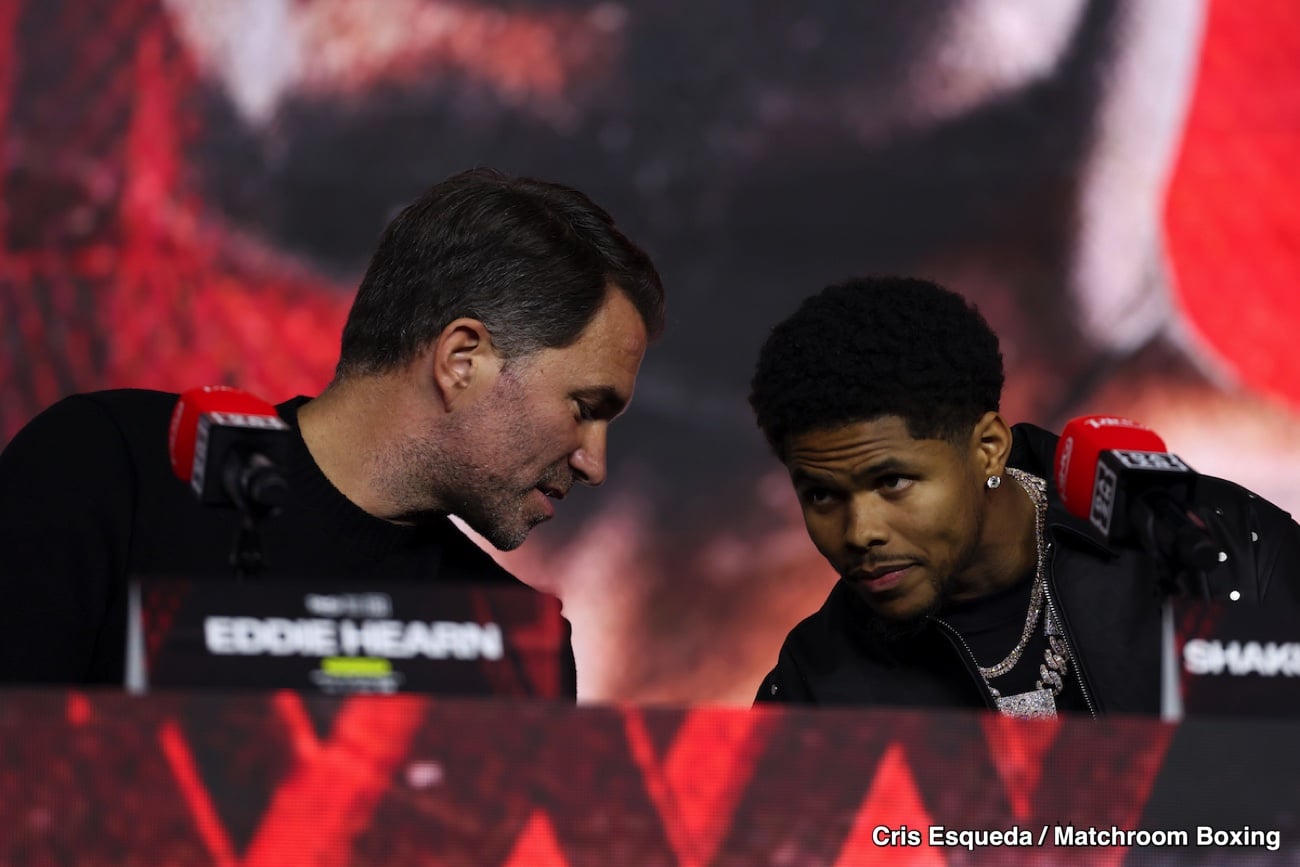


That environment quietly rewards volatility. Knockdowns travel. Heated exchanges sell rematches. Fighters who generate sudden moments tend to gain leverage faster. Stevenson built his career differently. He wins rounds cleanly, minimizes risk, and rarely chases dramatic finishes that could expose him.
Under the previous U.S. broadcast structure, that approach placed a ceiling on his commercial upside. He was dependable, disciplined, and technically superior to most of his peers, but he did not create the kind of chaos that fuels rapid growth.
Saudi-backed events alter that equation.
When an event is funded from the top down, the immediate pressure to chase weekly ratings softens. The focus shifts toward assembling recognizable names, belts, and divisional relevance on large stages. In that setting, sustainability carries weight. A fighter who remains undefeated, beats credible opponents, and preserves his standing becomes an asset rather than a gamble.
That shift suits Stevenson. His method is built on control and longevity. He does not absorb unnecessary punishment. He does not fight emotionally. Over time, that preservation extends careers and protects championship positioning.
His win over Teofimo Lopez at 140 reinforced the point. He faced a recognized name in a meaningful fight and advanced without abandoning his style. The result strengthened his competitive standing without forcing a reinvention.
This does not eliminate the underlying tension at junior welterweight. The division remains crowded with fighters who create louder reactions and more dramatic exchanges. Spectacle still accelerates attention. But Stevenson no longer operates in a system that demands spectacle for survival.
His model was once questioned as commercially limited. In the current financial climate, it looks sustainable.
Whether that sustainability translates into superstardom remains uncertain. But for the first time, Stevenson’s disciplined approach aligns cleanly with the economics around him.
Read the full article here


