



The opening stages of the 2026 season have proven challenging for the team led by Laurent Mekies. Red Bull’s all-new power unit has been surprisingly competitive – certainly in the eyes of some rivals in the paddock – but on the chassis side the package was underwhelming during the first three race weekends.
Red Bull brought its first significant upgrade of the year to the Japanese Grand Prix, although Max Verstappen said in Suzuka that he could not really feel the difference. That reignited questions about the team’s correlation, despite the fact that the Miami package behaved exactly as Red Bull had predicted.
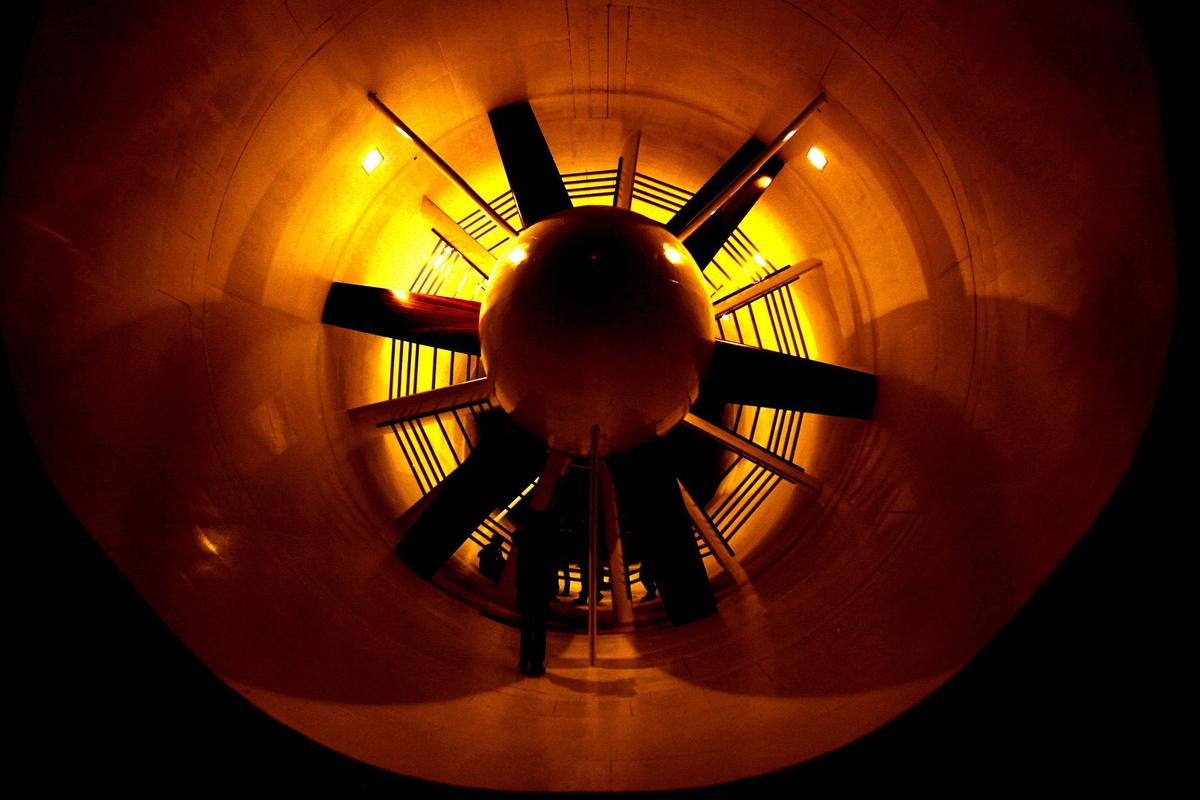
Even so, Wache remains cautious when asked what that says about the current state of the correlation, largely because Red Bull is still relying on the oldest wind tunnel in Formula 1.
“Yes, it’s going in the right direction, but still we have the same tool and the same issues. We are limited by… Well, we are trying to maximise what we have and we’ll see for the rest,” the technical director told Autosport.
“But we have a new tool coming soon and I hope it will bring us another step.”
With that new tool, Wache is referring to the wind tunnel Red Bull is currently building on its Milton Keynes campus. Last year, Wache told Autosport that construction was running three months ahead of schedule, although he now clarifies that the new wind tunnel is unlikely to be of use this year.
“We hope that we will have it running at the beginning of next year,” Wache said.
Pierre Wache, Technical Director Red Bull Racing
Photo by: Red Bull Content Pool
Christian Horner repeatedly described Red Bull’s wind tunnel during his time as team principal as “a Cold War relic” and said working with the 70-year-old facility near Bedford was like looking at “two different watches”, highlighting that the correlation had more than once failed to match what happened on track.
Wind tunnels have become a major area of investment in F1. McLaren used Toyota’s wind tunnel in Cologne from 2010, but has been able to rely on its own facility since the summer of 2023 – something clearly linked to the team’s progress since then.
Aston Martin also has a state-of-the-art wind tunnel on its Silverstone campus, described by Adrian Newey as the best in the business, although the benefits have yet to be reflected in the on-track performances due to other limiting factors.
“Minor step” for Red Bull at Canadian Grand Prix
Until early 2027, Red Bull will still have to rely on its ageing wind tunnel, both for the continued development of the RB22 and for the first development steps of its 2027 challenger.
That did not prevent the technical team led by Wache from introducing a successful package in Miami, which included its own version of the Macarena wing and heavily revised sidepods.
“Those sidepods have been in the pipeline since Bahrain testing,” Wache clarified. “The [original] package for the Bahrain Grand Prix was the one we introduced in Japan, more or less.”

Isack Hadjar, Red Bull Racing
Photo by: Liam Fabre
He thereby explained that Red Bull brought its first upgrade package of the year forward following the cancellation of the Middle East races in April.
The major package followed in Miami, while Wache confirmed that a “minor step” will follow in Montreal. At the start of the European season, the team hopes to make another significant step forward, ideally by finally reaching the minimum weight limit during the Austrian Grand Prix.
We want to hear from you!
Let us know what you would like to see from us in the future.
Take our survey
– The Autosport.com Team
Read the full article here


