





The explosion in popularity experienced by Formula 1 over the past five years has been described by some as a unique phenomenon in the history of sport.
Labels aside, one of the factors that has turned F1 into such an attractive proposition for manufacturers is its profitability. And that cannot be explained without the introduction of the budget cap, which in 2021 put the brakes on the escalation in team spending, limiting it to $145million before increasing it to $215million coming into the 2026 regulations.
Immediately before the cap was introduced, the better-funded teams – Mercedes, Ferrari and Red Bull – were spending more than €300million a year. The implementation of the cap meant that, almost automatically, teams and above all manufacturers began to generate surpluses, turning the championship into the perfect showcase for new entrants such as Audi and Cadillac.
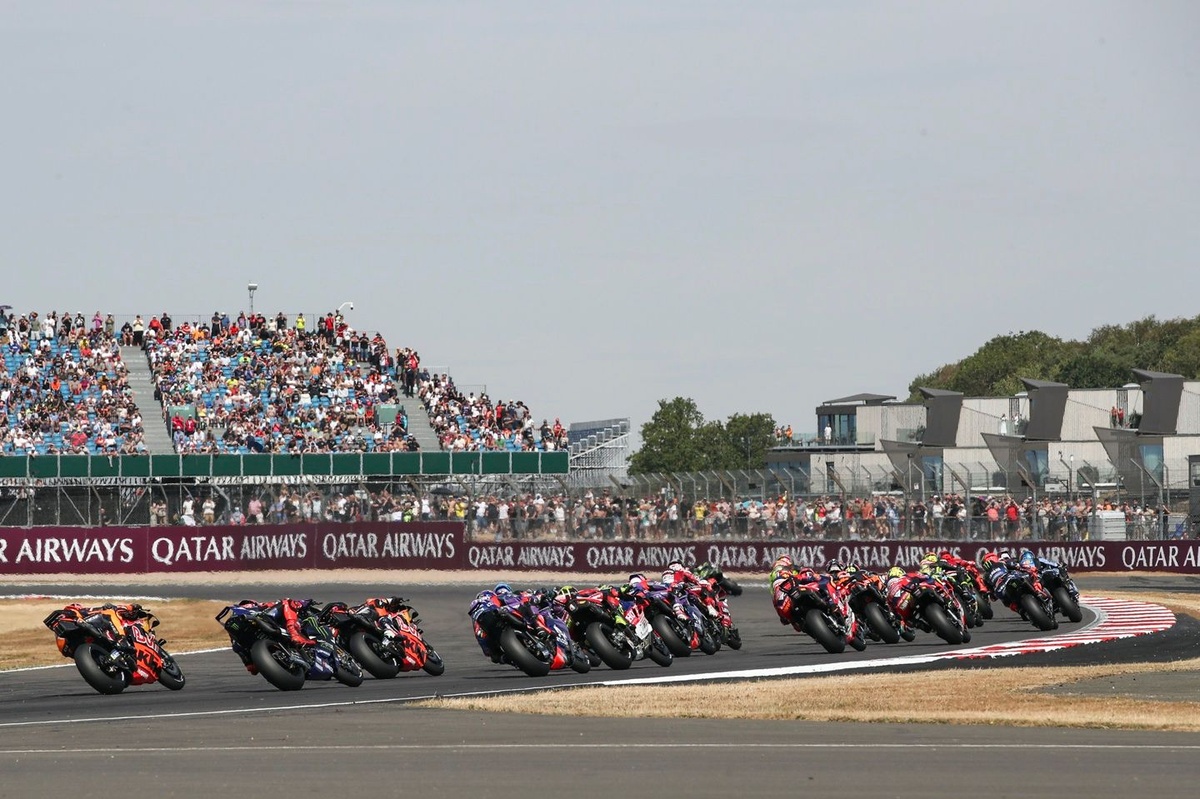
With that precedent in mind, and following what they see as a logical path, MotoGP’s senior management – including one of its most influential executives, Carlos Ezpeleta – is determined to pursue the same strategy, which he believes would bring benefits across the board.
“From the organisation’s side, we absolutely want to pursue a budget cap, and we’ve been very clear with the manufacturers about that. It is important to bring a degree of rationality to the way we do things,” Ezpeleta told Autosport, while acknowledging the complexity involved in such an ambitious change of direction.
“It is going to be very difficult to get there. It is also very ambitious because the manufacturers are extremely connected to their factories, and all of them have different realities, different origins and different organisational structures. It is something we have to study, but where there is a will, there is a way.
“I am sure we will get there. We have never had a budget cap in MotoGP because there has never been a need for one.”
Carlos Ezpeleta, MotoGP
Photo by: Mirco Lazzari GP / Getty Images
The realities of Honda and Aprilia, respectively the biggest and smallest spenders, could hardly be more different. Autosport understands that Honda spends around €80million on its MotoGP activities, while Aprilia’s budget is roughly a quarter of that, at around €20million.
Paradoxically, that gulf currently separates them on track, but in the opposite direction to what their respective investments would suggest. Aprilia leads the championship standings, with three of its riders at the front of the overall classification, and is naturally also at the top of the manufacturers’ standings. Honda, meanwhile, has its first representative down in 10th place, Luca Marini, and sits second-last in the manufacturers’ table, ahead only of Yamaha, the second-biggest spender at around €60million.
For Ezpeleta, this is one of the key differences between F1 and MotoGP.
“There is one caveat that I think is very important: we don’t have a problem on track. We are seeing now that some of the manufacturers with lower budgets are outperforming the rest,” he stressed.
Over the past year, Ezpeleta has held talks with manufacturers and teams to establish the new commercial framework that will govern their relationship with the promoter over the next five years.
During those negotiations, the manufacturers, led by Aprilia and Ducati, floated the idea of removing one of the two bikes available to each rider during testing, on the grounds that it would help reduce costs. Autosport understands that last Sunday’s meeting of the Grand Prix Commission, held in Great Britain, effectively put an end to that proposal.
“We have an opportunity in front of us. I think some of the manufacturers have significant room to reduce their budget,” Ezpeleta concluded.
We want to hear from you!
Let us know what you would like to see from us in the future.
Take our survey
– The Autosport.com Team
Read the full article here


