





That distinction allowed the show to proceed. It did nothing to produce an orderly championship.
Sullivan Had 40 Pounds on McCaffrey
Sullivan was 26 and weighed approximately 208 pounds. The 21 year old McCaffrey came in near 168, leaving the smaller Pittsburgh boxer to handle a massive physical disadvantage.
McCaffrey could not trade directly with Sullivan’s heavier rushes. He used footwork, slips and clinches to interrupt the larger man before another full attack developed. After injuring his right hand, McCaffrey relied heavily on his left and defensive positioning, turning survival into a technical exercise rather than a test of strength.
Sullivan was the recognized American bare knuckle champion, but his preparation left him tiring as the fight progressed. McCaffrey’s camp also believed Sullivan needed a knockout within the scheduled six rounds to win. Surviving accounts differ over what the signed agreement actually required.
Sullivan supplied the heavier blows. One shot to the side of McCaffrey’s head dropped him during the middle rounds. McCaffrey later claimed he broke his right hand against Sullivan’s head in the third and completed the fight using primarily his left.
The larger man began fading late. McCaffrey pressed him and remained ready to continue. A timekeeping mistake ended the sixth after approximately one minute, prompting referee William Tate to order another round to replace the missing fight time. That explains the peculiar result listed by BoxRec: Sullivan won on points in round seven of a six round fight.
A Championship Born Under Protest
Tate awarded Sullivan the decision based on the greater number of clean blows. McCaffrey’s camp protested, maintaining that lasting six rounds entitled him to a draw. The absence of an athletic commission left no independent authority to settle the disagreement. The promoter controlled the money, the referee’s interpretation determined the result, and McCaffrey’s only remaining option was a lawsuit.
The crowd treated McCaffrey’s survival as a moral triumph. Sullivan still collected nearly $6,000, representing approximately 60 percent of the gate, while McCaffrey received far less.
Sullivan became recognized as boxing’s first gloved heavyweight champion, yet the sport had not suddenly become modern merely because the fighters wore gloves. The disputed terms, confused timekeeping and uncertain ruling showed that Queensberry rules had arrived before boxing possessed a reliable system for enforcing them.
Sullivan later retained his bare knuckle claim by defeating Jake Kilrain over 75 rounds in 1889. James J. Corbett finally took the gloved championship from him in 1892. McCaffrey continued boxing larger opponents, later becoming an instructor and police officer while insisting for the rest of his life that Sullivan had never properly beaten him.
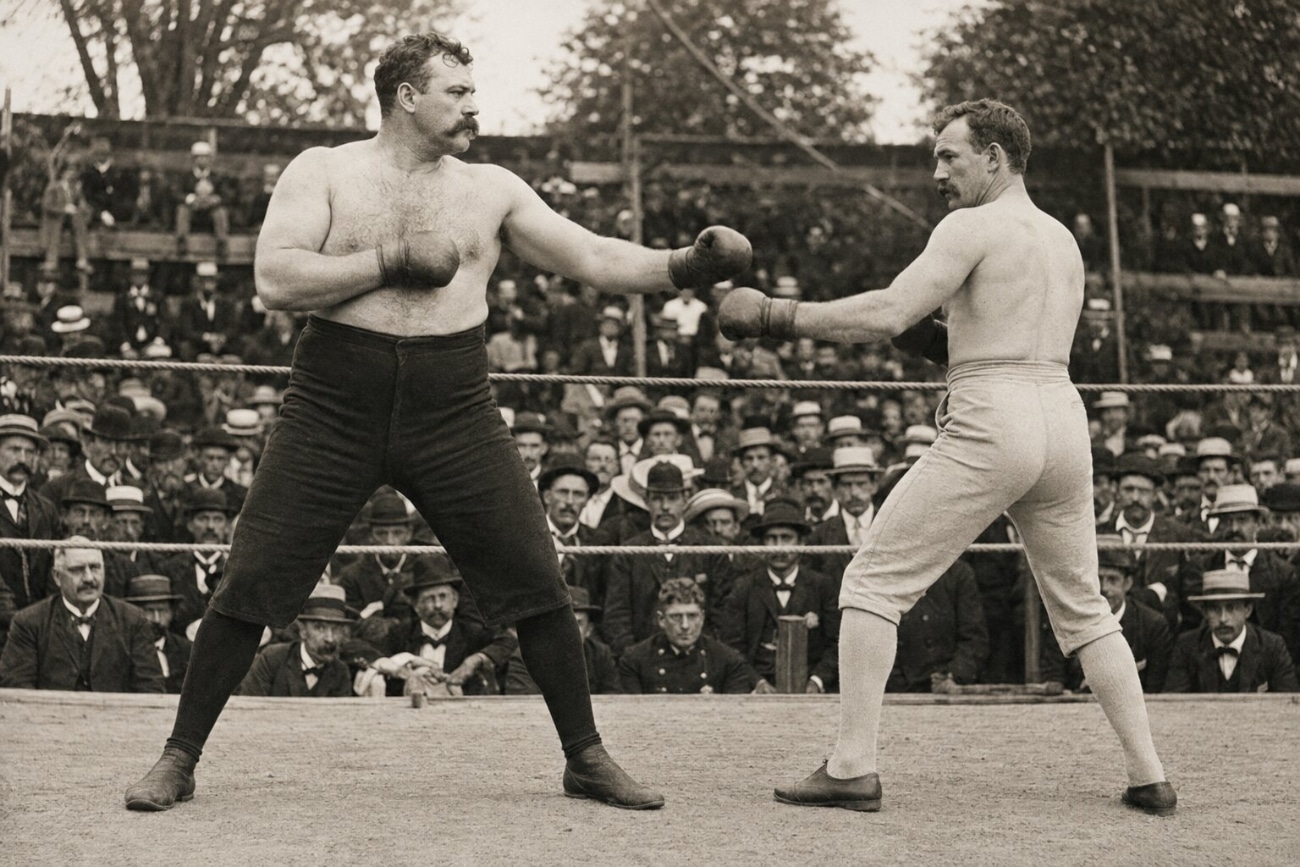
Image: AI-generated historical recreation.
Read the full article here


