



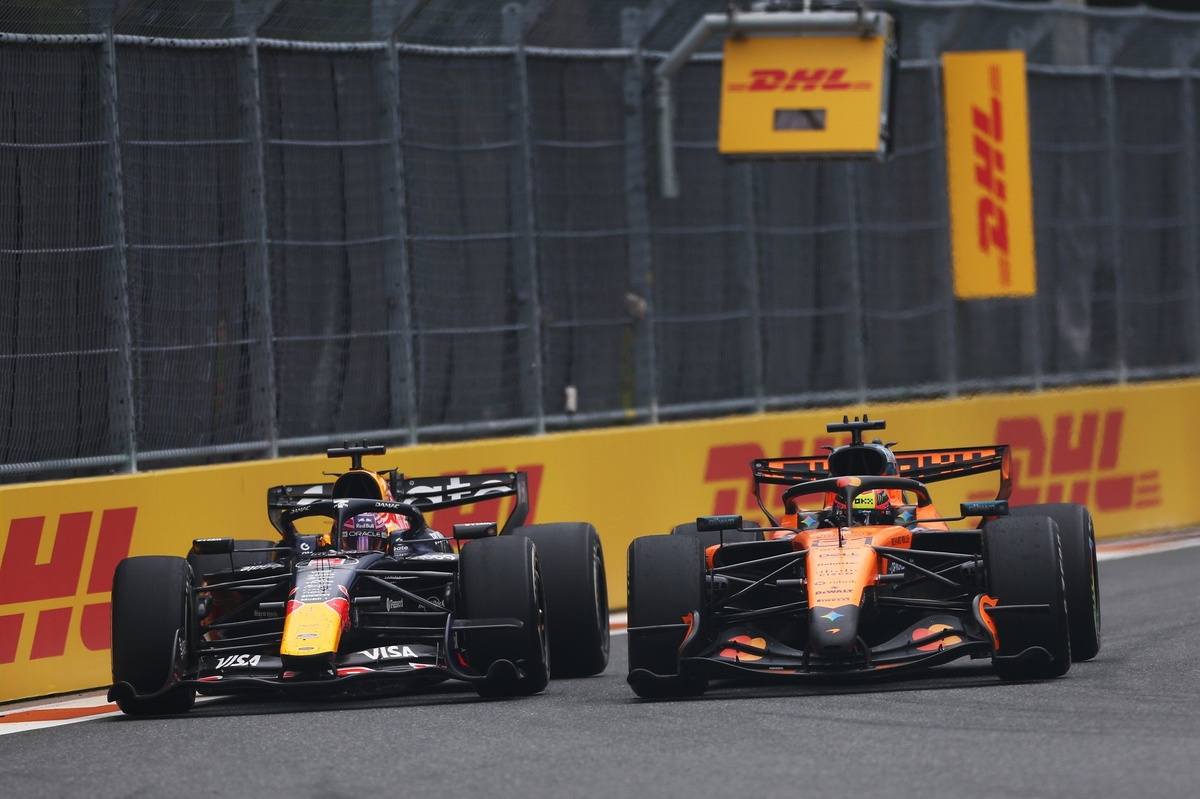
After an enforced five-week break there was a lot riding on Formula 1’s return in Miami this weekend. The US race saw the series premiere a handful of modifications designed to improve the safety and spectacle of the new-for-2026 regulations, which have received a mix reception since their debut.
For the 2026 season, F1 rolled out new rules that called for smaller, lighter cars designed to encourage closer racing, and the power units were replaced with new hybrid engines that rely on a near-50:50 split between electric and combustion power.
It’s the latter change that proved divisive among drivers and fans, with some lamenting the “artificial” overtakes brought on by the electric boost available to racers, and others slamming the increased emphasis on energy management.
Four-time world champion Max Verstappen has been one of the most ardent critics of the 2026 rules, calling them “Formula E on steroids” and claiming that anyone who enjoys them doesn’t know real racing.
It wasn’t a good look for the series to have one of its most popular drivers come out swinging in this way, and it has since rolled out updates to energy harvesting and usage to try and improve the spectacle.
“It’s improved a little bit,” said Ferrari’s Charles Leclerc after the race. “The battles in itself, I don’t think, changed massively. In qualifying, some things changed. It was a step in the right direction.”
Lando Norris remains unconvinced about the 2026 rules
Photo by: Ryan Pierse / Getty Images
The changes implemented include lowering the harvesting limit from eight to seven megajoules in qualifying, which made the cars slightly slower but should mean that qualifying is more on the limit. The FIA also increased super clipping to the full 350 kilowatts in an attempt to make the speed profile of the new cars more predictable.
Despite the changes, there were still instances of so-called ‘yo-yo racing’ in Miami, with a battle between Leclerc and eventual race winner Kimi Antonelli earning the moniker from Will Joseph, race engineer for Lando Norris.
Drivers “still just get penalised” for pushing flat out
While Leclerc and Antonelli scrapped and repeatedly passed one another, Norris was treated to a front row seat to observe the impact that the new rules have had. After the race, he remained unconvinced.
“It’s a small step in the right direction, but it’s not to the level that Formula 1 should still be at yet,” the reigning champion said after finishing second in Miami.
“I think we said yesterday still in qualifying, if you go flat out everywhere and you try pushing like you were in previous years, you still just get penalised for it.
“You still can’t be flat out everywhere. It’s not about being on as early on throttle everywhere. You should never get penalised for that kind of thing.”
Norris’ team-mate Oscar Piastri was similarly mixed in his assessment of the regulation changes.

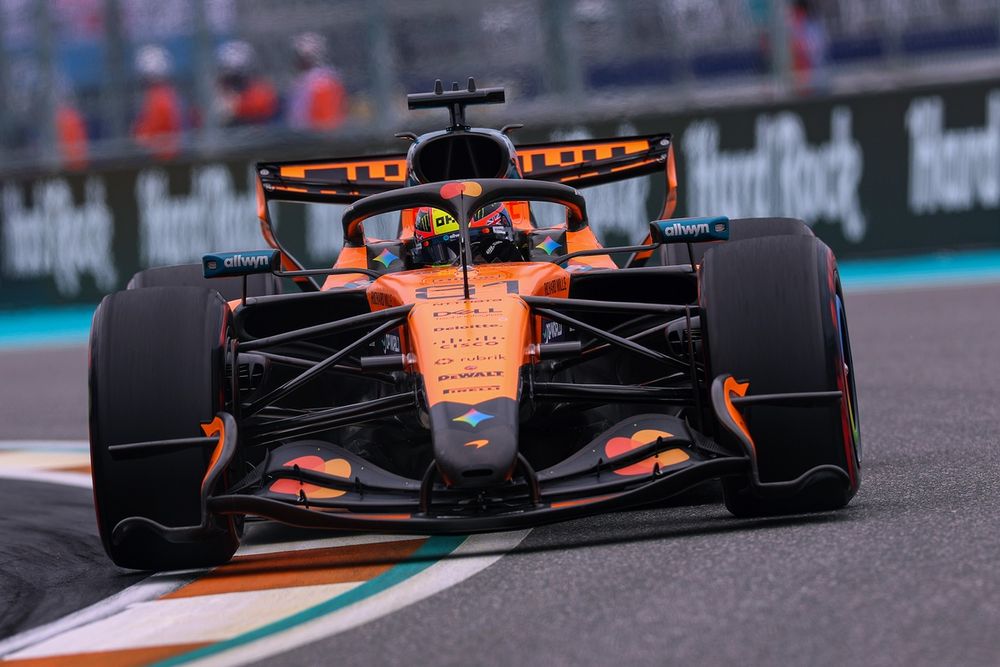
Changes made by F1 and the FIA have “not fixed the problem”, says Oscar Piastri
Photo by: Ryan Pierse / Getty Images
“I think reducing the harvest limit in qualifying has helped a bit,” the Australian said. “It’s not fixed the problem or all the problems, but it’s helping with one.
“The races are basically exactly the same. Today was my first proper experience of overtaking people and having to defend and stuff like that. And it’s pretty crazy, to be honest.”
The Australian warned that the difference in closing speeds could still be “huge”, which was an area the FIA wanted to address following Oliver Bearman’sshocking crash in Japan. The lack of changes in this regard made it “incredibly tough” to anticipate the moves of an attacking driver, Piastri added.
“I think the collaboration again from the FIA and F1 has been good,” Piastri said. “But there’s only so many things you can change with the hardware we have.
“So, some changes in the future are, I think, still needed for sure. How quickly we can do it is the big question.”
It was a similarly mixed response up and down the grid, with Cadillac’s Sergio Perez admitting it was a “step in the right direction” that could lead to a “lot less complaints” from the drivers. Audi’s Gabriel Bortoleto, meanwhile, said the changes “felt a bit better” in qualifying for the Miami race – despite lap times now being around 1.5 seconds slower than they were in 2025.
But what did 2026’s most ardent critic make of the updates in Miami?
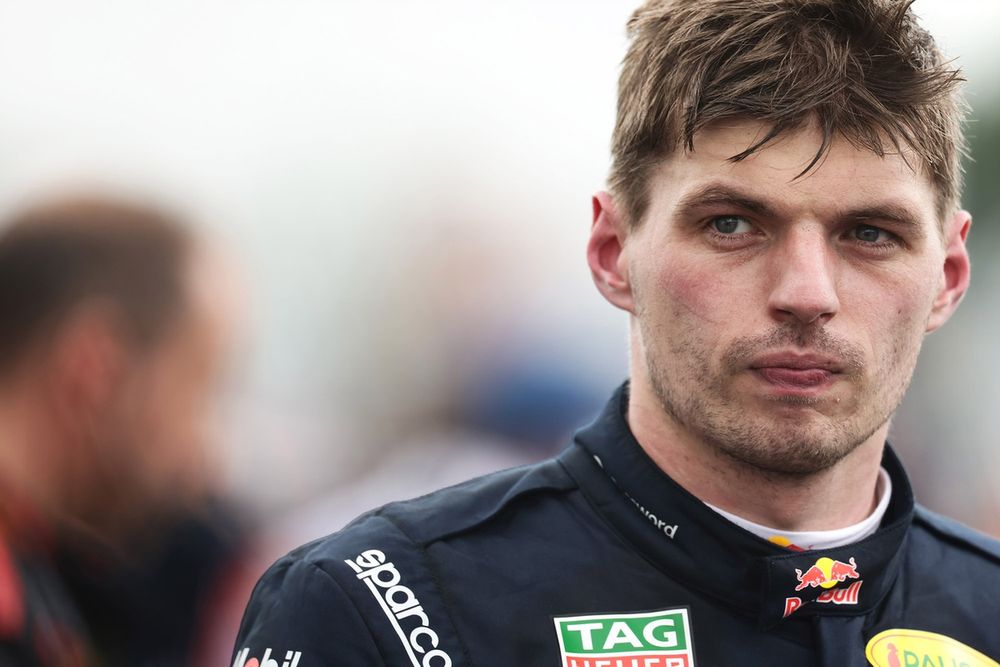
Max Verstappen: F1 is “still not how I would like to see it”
Photo by: Mark Thompson / Getty Images
“What I said before about the regulations is still the same,” Verstappen said when asked about the amended rules. “It’s still not how I would like to see it.
“I mean it’s still punishing you. The faster you go through corners you go slower on the next straight. So, that’s not what it should be about. But at least my car is working a bit nicer so it’s a bit less stressful to drive.”
For now, the updated regulations will need a little more time to prove themselves before further tweaks can be considered. However, the FIA may already be eyeing up more dramatic changes to the formula, as it reportedly just has a few weeks to settle its 2027 engine rules – which could bring about a reduction in the reliance on electrical power.
Additional reporting by Stuart Codling and Cihangir Perperik
We want to hear from you!
Let us know what you would like to see from us in the future.
Take our survey
– The Autosport.com Team
Read the full article here


