






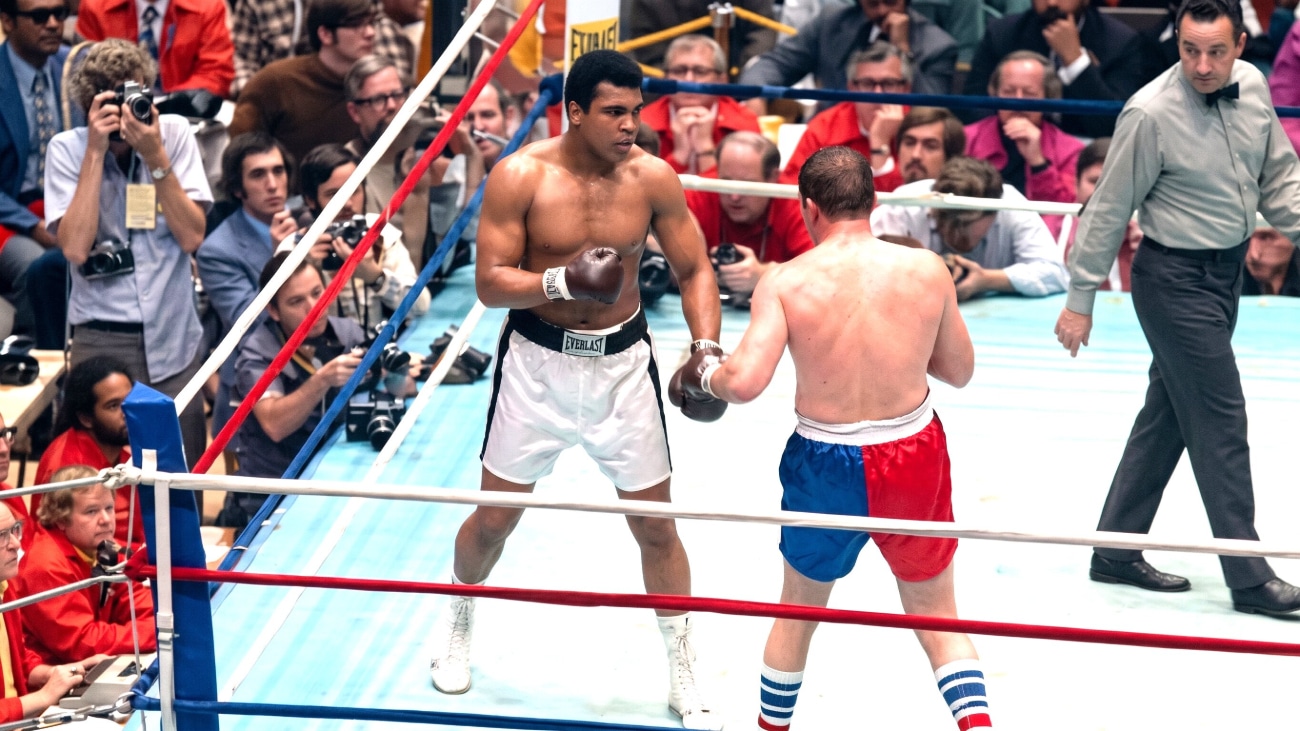


The 33-year-old Ali brought a 45-2 record and weighed 224 pounds. Wepner, 36, weighed 225 and had a 30-9-2 record. Ali received approximately $1.5 million, while Wepner earned $100,000, easily the largest payday of his career.
Wepner knew he couldn’t match Ali’s speed or skill, so he made the fight physical. He pressed forward and threw looping punches from the outside that wrapped around Ali’s guard and crashed into the back of his head. These weren’t merely short punches sneaked in during clinches. Wepner was throwing some of them from a distance, allowing him to put considerable force behind the blows.
Ali repeatedly complained to referee Tony Perez, but Wepner’s rabbit punching continued. Eventually, Ali decided to retaliate. During close exchanges, the champion hammered Wepner behind the head with repeated clubbing right hands of his own. Contemporary coverage noted that Perez’s failure to stop Wepner led Ali to return the illegal blows.
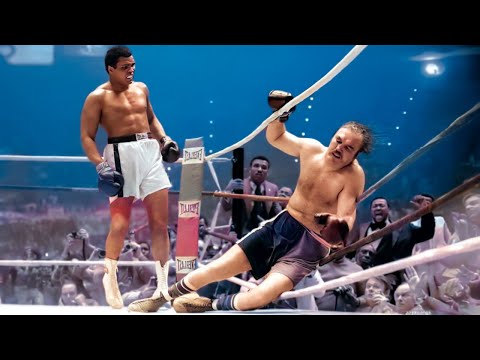
Ali remained comfortably in front on the scorecards, but Wepner produced the defining surprise in the ninth round. A right hand to the body sent Ali to the canvas for an official knockdown. Ali maintained that Wepner had stepped on his foot and caused the fall. Footage has kept the legitimacy of the knockdown disputed, while Wepner always insisted his punch put Ali down. Either way, Perez counted it. It became the fourth and final official knockdown of Ali’s professional career.
Wepner reportedly returned to his corner believing he had just changed his life, telling manager Al Braverman they were going to become millionaires. The celebration didn’t last long. Ali got up angry and began attacking Wepner with far greater urgency.
The punishment accumulated rapidly. Ali landed combinations to the head while Wepner continued trudging forward. Cuts opened around the challenger’s eyes, his face swelled badly, and the punishment became increasingly severe as the rounds passed. Still, Wepner refused to go away.
By the final round, Ali had a commanding lead. Perez had him ahead 135-130, while judges Jackie Keough and Sam Taormina scored it 136-129 and 138-129 through 14 rounds.
Ali finally broke through with seconds remaining in the 15th. A combination sent an exhausted Wepner down near the ropes. Wepner struggled back to his feet, but Perez determined he was in no condition to continue and stopped the fight at 2:41. Only 19 seconds remained.
Ali retained the heavyweight championship by 15th-round TKO, but he remained angry about the punishment he had absorbed behind the head. Wepner left the arena battered and required 23 stitches. Ali later gave him considerable credit for surviving as long as he did. The defeat ultimately made Wepner more famous than most of his victories.
Sylvester Stallone watched the massive underdog battle Ali deep into the final round and drew inspiration from Wepner while developing Rocky. The film arrived in 1976 and transformed the basic premise of an obscure heavyweight receiving an improbable championship opportunity into one of cinema’s most famous underdog stories.
Wepner never became heavyweight champion, but he came within 19 seconds of lasting 15 rounds with Muhammad Ali. His performance became bigger than the fight itself. It helped inspire Rocky.

Read the full article here


