




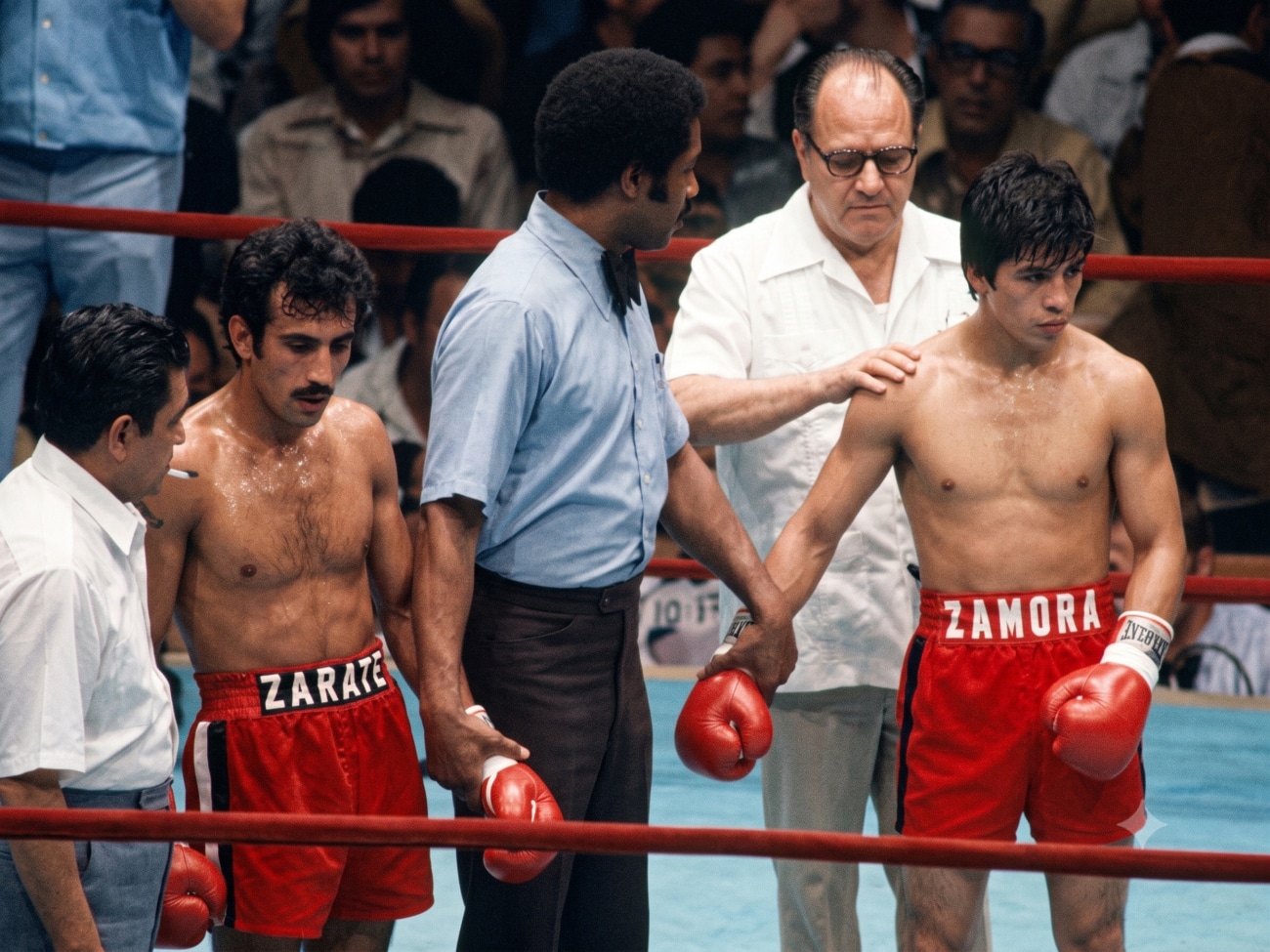


Strangely, neither sanctioning body recognized it as a unification bout, leaving the contest officially scheduled for 10 rounds despite featuring the division’s two champions. That technicality did nothing to diminish its importance.
Zárate entered with a remarkable 45-0 record with 44 knockouts. Zamora was 29-0 with 29 knockouts. Their combined record stood at an astonishing 74-0 with 73 knockouts, making it one of the most explosive matchups in boxing history.
The rivalry extended beyond the ring. Both men had once trained under Arturo Hernández before business disagreements split their camps. Hernández’s decision to sell Zamora’s promotional contract to Alfonso Zamora Sr. led to years of public animosity between the two teams, fueling enormous interest throughout Mexico and Latin America.
Nearly 14,000 fans packed the Forum, while authorities stationed anti-riot police throughout the arena, anticipating possible trouble. They were needed almost immediately.
Just 52 seconds into the opening round, a drunken spectator climbed into the ring before police officers quickly removed him. Once order was restored, the fight lived up to the hype.
Zamora started aggressively, using quick footwork and heavy hooks to pressure the taller champion. He landed several solid shots and briefly staggered Zárate late in the round, doing enough to edge the opening three minutes. The momentum shifted in the second.
Zárate began finding his range behind a stiff jab and sharp combinations. A right-left combination visibly shook Zamora, although the WBA champion answered with punches of his own before the bell. Still, Zárate’s superior timing and reach were beginning to take control of the fight. The third round proved decisive.
Zárate slipped Zamora’s increasingly wide punches and punished him with crisp counters. His jab repeatedly split the guard before he unloaded hooks at close range. As Zamora’s pace slowed, Zárate trapped him near the ropes and scored the bout’s first knockdown late in the round. Zamora beat the count, but he returned to his corner badly hurt. It didn’t last much longer.
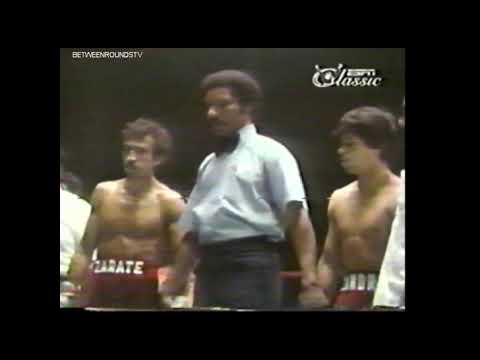
Zárate came out aggressively in the fourth, dropping Zamora early with a series of left hooks. Moments after the restart, another punishing attack sent Zamora down for a second time. Seeing his son battered and unable to defend himself, Alfonso Zamora Sr. threw in the towel, prompting referee Richard Steele to halt the contest and award Zárate a fourth-round technical knockout. The chaos wasn’t over.
Immediately after the stoppage, Zamora Sr. confronted Hernández, accusing him of placing a foreign substance on Zárate’s gloves. The two camps nearly came to blows before the anti-riot police entered the ring and restored order.
The victory cemented Zárate’s reputation as one of boxing’s greatest bantamweights. He defended his WBC title five more times before losing a classic split decision to Lupe Pintor in 1979. Later, he challenged the great Wilfredo Gómez for the WBC junior featherweight championship and eventually earned induction into the International Boxing Hall of Fame.
For Zamora, the defeat marked a turning point. Although fans continued to admire him for accepting one of boxing’s most dangerous challenges, he was never quite the same. He lost his WBA title by knockout to Jorge Luján in his very next fight and retired before the end of the decade after winning just four of his final eight bouts.
Nearly 50 years later, “The Battle of the Z Boys” remains one of boxing’s greatest short fights, a four-round classic that delivered exactly what fans expected when two undefeated knockout artists risked everything to settle who was Mexico’s true king of the bantamweight division.

Read the full article here


