






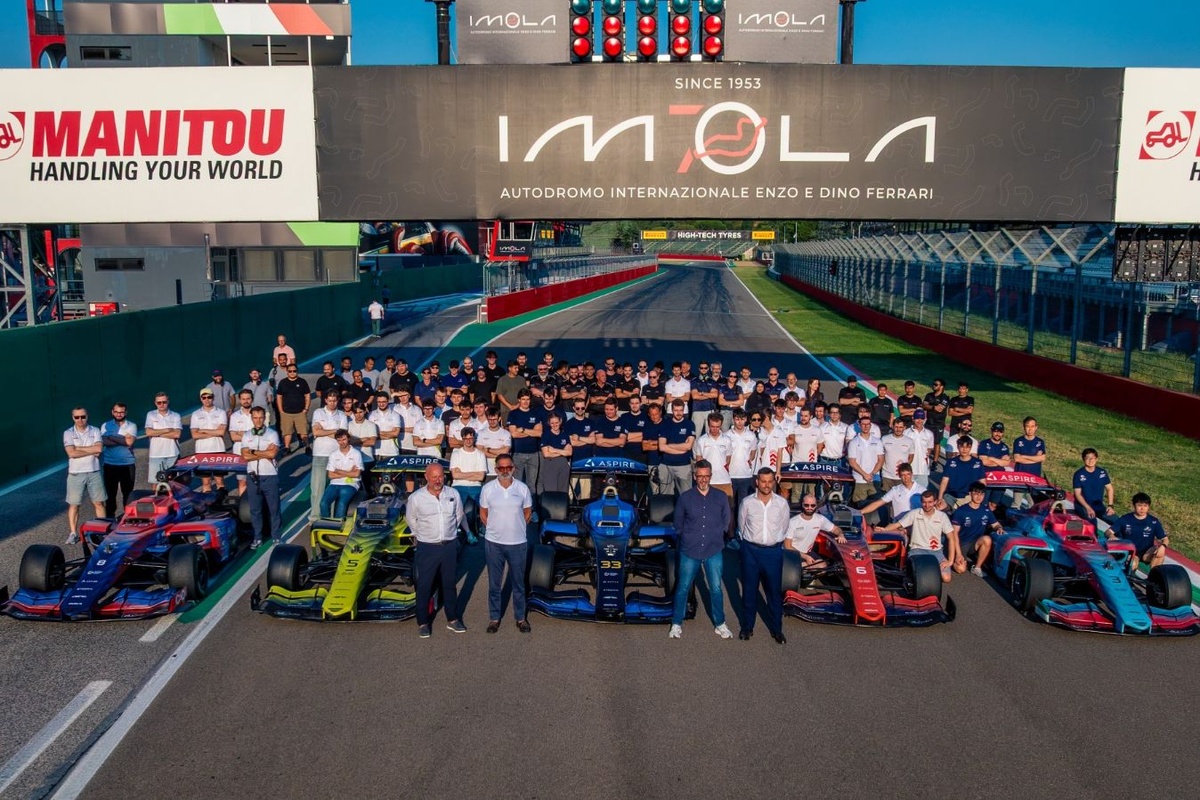
The Abu Dhabi Autonomous Racing League, A2RL, is entering its third year. Two seasons of testing and racing in both virtual and real worlds have seen huge leaps in autonomous race tech, and it’s time to see how circuits outside of the Middle East will adapt to autonomous racing. Now familiar with Yas Marina, the five A2RL Pro Teams, the best of the autonomous best, will face a new challenge at Imola. But with years of experience behind them, facing the historic circuit is, perhaps, not the head scratcher it might have been a few years ago.
The first two seasons saw teams from all over the world get to grips with driverless race tech in its infancy. Year one at Yas Marina was very much the series’ infancy. The teams knew what they needed to do, but the understanding of the task at hand was still very much in development – something that ASPIRE and A2RL itself was keen to point out at the time. It was a public test of new technology. Its second public event, held 18 months later, again at Yas Marina, showed how quickly the teams developed. Race speeds were higher, overtakes were no longer tentative but confident, racecraft greatly improved, and there was even a ‘racing incident’ that added some excitement to proceedings. People change a lot in a year and a half, and autonomous race tech did the same. The Bambi legs were truly gone in season two.
A2RL’s Superformula-based 150mph EAV-25 cars are, with human drivers on board, incredibly capable machines. Outside of Formula 1, few cars are as quick with an organic component in the hot seat. The challenge here is to remove the soft squishy bit and replace it with ones and zeroes. For A2RL’s third season, the cars are mechanically barely different – a fresh gearbox and set of ratios to go with, and some mapping is new, but that’s about it.
The EVA-25’s autonomous stack sits where you’d usually have a person. Its various sensors, processors, cameras, and autonomous tricks need to think, act, and feel like a human, to replicate what a person would do around a circuit and race as hard and fast as possible. It’s the sort of thing that, in theory, sounds easy to do – make race car go fast and not crash. In practice, it really, really isn’t.
Each team can choose which data, and which hardware to lean on, meaning each car has its own personality and driving style. You can see it during testing and competition as you would in human drivers. This is where A2RL’s magic lies.
The Imola race will be A2RL’s third event
Photo by: A2RL
Competitors aren’t traditional race outfits. They’re scientists, researchers, engineers, universities – people who work with hardcore tech day in, day out. A2RL isn’t a race series in the traditional sense, but as time goes on, the motorsport and tech worlds will become more entwined – the chief mechanic and the people behind the code will both be at the forefront on race day in future events.
As well as a competition, it’s a development exercise. The technology used here is being refined, showcased, and tested for real world applications. While advanced LiDAR may facilitate an exciting overtake, it’s also hugely handy for autonomous cabs, passenger cars, and myriad other applications. Motorsport has always been at the forefront of tech development thanks to the environment it works in: controlled, intense situations that push components to their very limits. If anything’s going to test multiple autonomous vehicles’ capability, it’s competition.
Alessandro Tucci, executive director of the House of Grand Challenges at ASPIRE, the body behind A2RL, confirms this: “Autonomy is a growing, important technology. It will define so many aspects of life going forward – be that for those who want convenience, or for whom it’ll open up a world previously inaccessible for them. Using motorsport as a test bed for this is not only a safe place to develop it, but also a very public way to show how quickly technology can evolve. A2RL is the only series where this technology, and the brains behind it, can be tested to the very extremes in a very public setting – not only does it show what we can do, but also builds trust with the public in the technology. They know we have motorsport, and technology’s best interests at heart. Going to Imola shows that it can be adapted for any track at any time.”
It’s fair to say that the first year’s competition was, from the outside, a little wobbly. New technology and a new kind of team meant that virtual testing would only get them so far before the reality of motorsport left its mark. A showcase between a machine piloted machine, and one driven by F1 ace Daniil Kvyat showed there was a way to go before the machine could best man – the gap between the two was lengthy, though the autonomous car showed it could complete a lap without issue. 2025’s event, however, saw the autonomous car drop the gap over a lap to less than one second.
While, yes, A2RL is an Abu Dhabi-based organisation, it’s been eyeing international competition since day one. Different tracks, different countries, different conditions, and showing new fans the tech on offer was always the goal. Imola is the series’ first step into the wider world. Why Imola? Alessandro Tucci explains: “We’ve gone international to continue pushing boundaries of autonomous technology. Imola was chosen because of its difficulty and how it challenges drivers both today and, famously, in the past, and right now the autonomous technology we’ve developing for the future. The technology is being constantly developed and pushed – it’s on the cutting edge of what can be done. One day’s huge challenge will soon be something that’s been found, refined, and fixed. This is the only place that’s possible to develop in.”

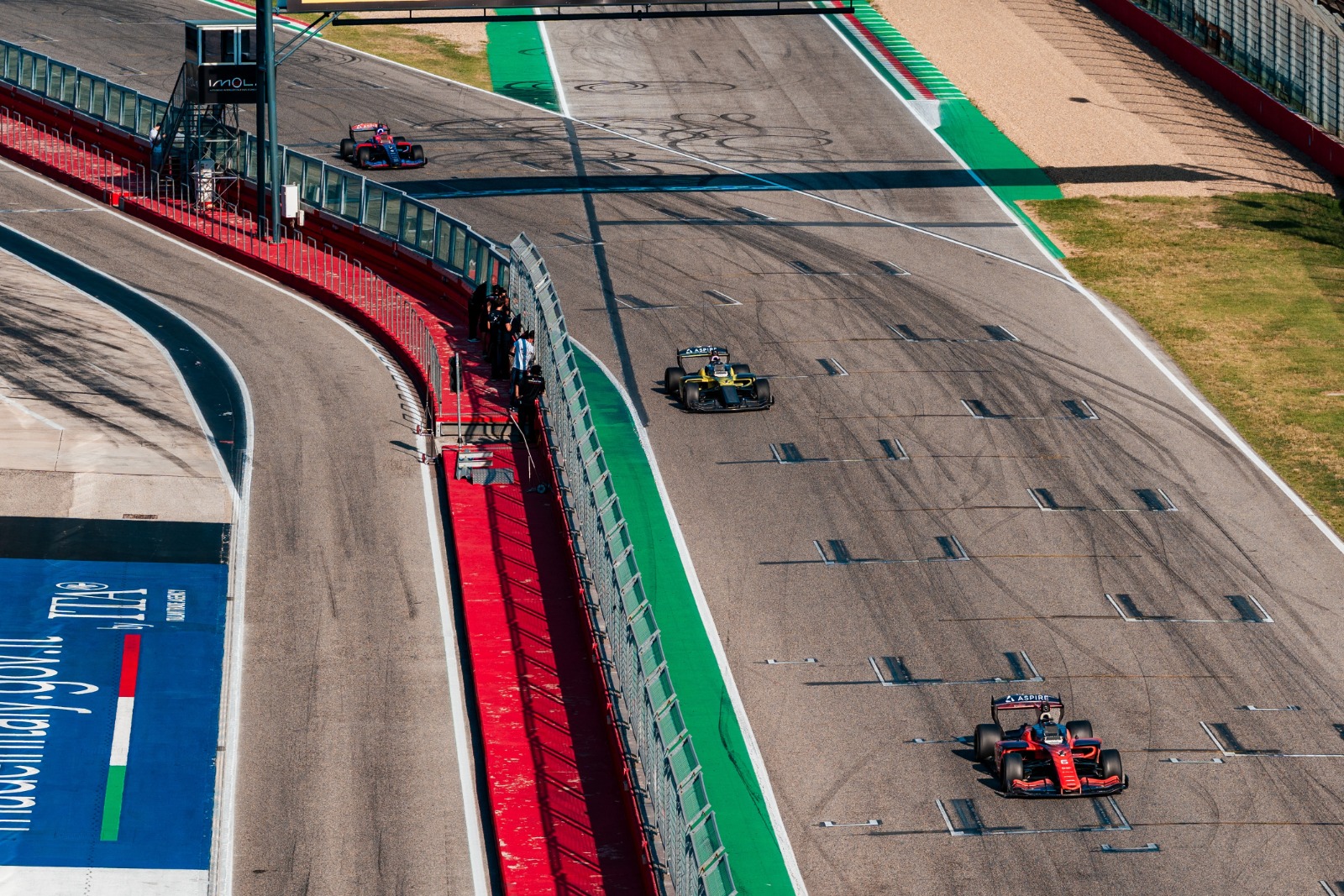
With its third event, A2RL has gone international
Photo by: A2RL
The teams aren’t going into Imola blind. As you’d expect from a tech-heavy series, testing in the virtual world is more than an option – it’s essential. Josh Roles, head of operations at A2RL, explains: “It’s a testament to the digital twin simulation software we have, and the online digital championship that we run with the teams because we put the Imola race track into the digital twin. The teams have been testing in the digital environment for quite a while now. The result is that the transition of going from digital twin to race track has been hugely hugely beneficial and a big learning for us.”
The digital brains of the cars don’t necessarily need to spend real time on track to learn its layout, or the best lines to take. A LiDAR scanned version of the circuit is created, and uploaded for teams to use as needed. They can spend hours lapping, mapping, and learning without expensive consequence. A2RL’s digital competition pits the teams against each other in a safe space, too, so they can learn from each other and their… quirks before meeting in the real world.
Digital testing is one thing, but the real thing is invaluable. The teams’ time at Yas Marina was luxuriously long. They had weeks, months even, to find their feet on the asphalt. For Imola, track time is reduced to just 10 days. During testing, conditions weren’t ideal. Rain meant teams and machines had to adjust for varied surfaces – not just the difference in tarmac, but water as well. Rain-proofing the cars and the autonomous stacks was another lesson for the teams present in season three, and will stand them well going forward. Less time on track and rain? A first for A2RL.
Unlike previous years, the race at Imola will be part of a wider race weekend. It’s a complimentary event that’s not trying to take over, but to show existing race fans what it can do. Being involved in a big weekend of racing throws up a new challenge for the teams: both machine and man will have to run to a schedule. Happily, they also get the luxury of an open pit lane for the first time.
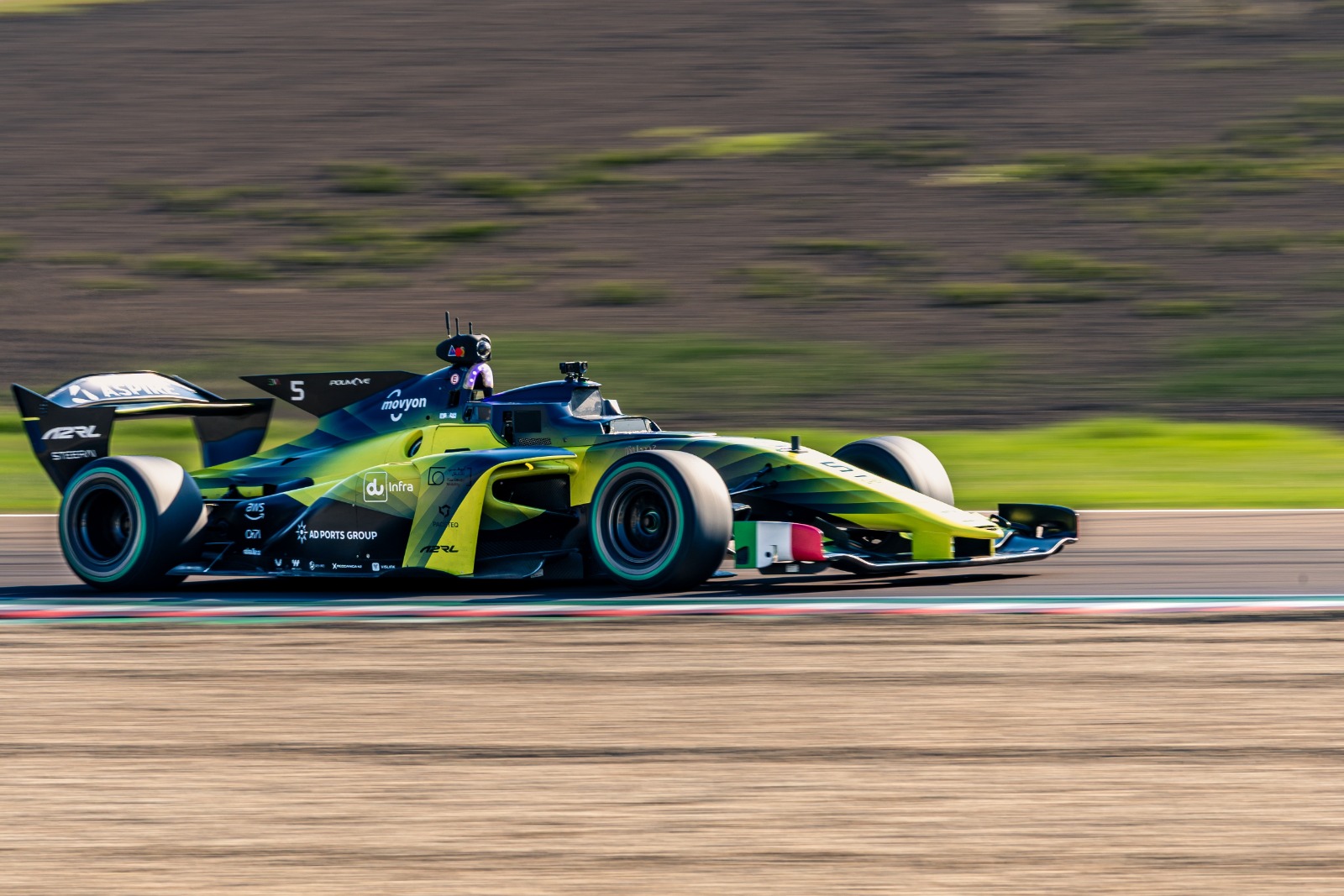
Fans can register to attend the event at Imola
Photo by: A2RL
That last bit has the happy consequence of giving teams more time on track. “Teams have gone from having around a total of an hour and 20 minutes a day to having eight hours of available track time. We’ve seen nearly a seven-times increase on track availability,” adds Roles.
However, with that comes new challenges: “They’re having to understand their fuel loads. They’re having to understand on track traffic and and gaps and things that they want to test. So, it’s been hugely beneficial. It’s been amazing from a track utilisation perspective and it’s been something that will carry on for sure.”
A2RL 2026 is another huge step forward for the series, the technology, and the teams. A new track to attack with new tech, and elements of wider motorsport to fold into an already quite complex formula will prove an interesting mix for competitors and fans alike.
If you’re in the area, registration to attend the race on Saturday 5 September is free and available here.
Highlights from the race will be broadcast on YouTube on Sunday 6 September, and you’ll be able to find content from the event right here on the Motorsport Network. 2025 was a huge leap forward, 2026 promises more. Will 2024 and 2025 champions TUM scoop a hat-trick? Only one way to find out.
We want to hear from you!
Let us know what you would like to see from us in the future.
Take our survey
– The Autosport.com Team
Read the full article here


