

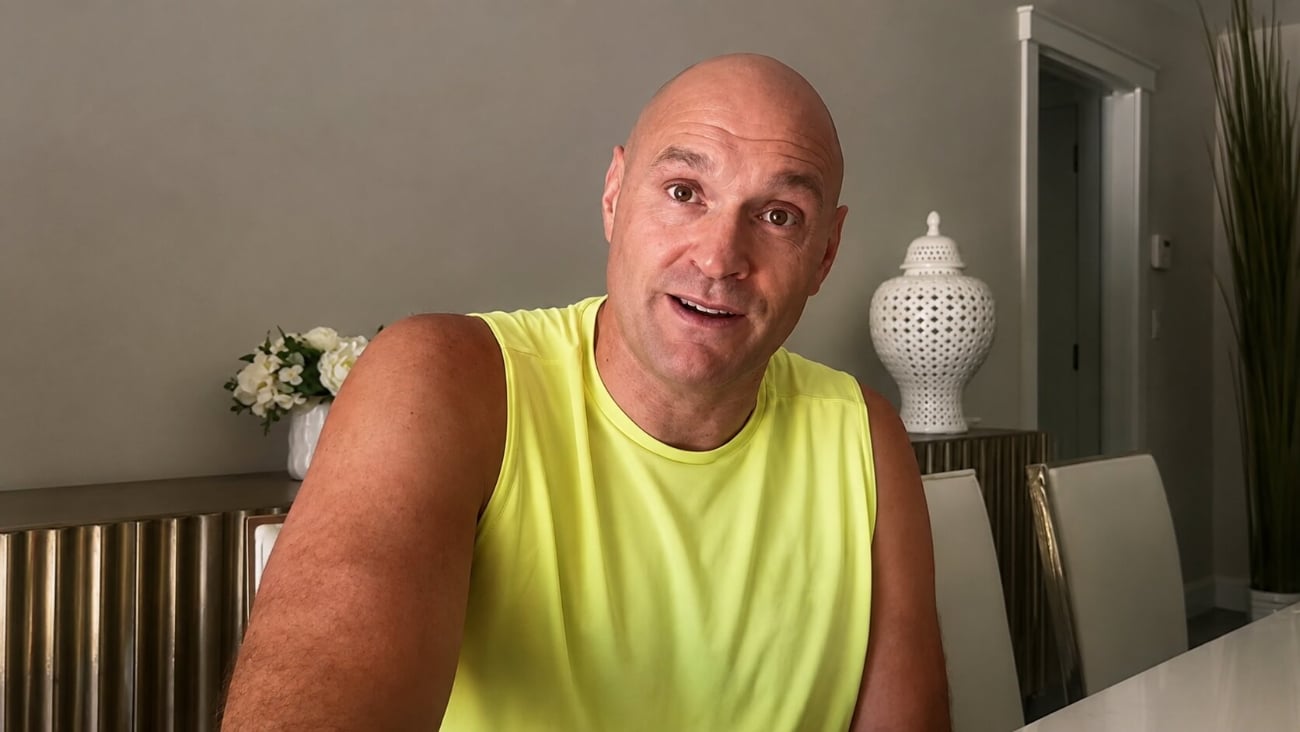

“We’ll see whose ego gets in the way here. And I believe it’s Eddie Hearn’s ego. I believe because they think Dana White’s involved and TKO that he’s like, ‘Why should they be involved?’” said Fury to Gareth A. Davies.
The accusation points to an authority struggle rather than any dispute between the boxers. Matchroom spent over a decade guiding Joshua through massive stadium shows while controlling every aspect of his schedule. Bringing TKO on board threatens to break Hearn’s long-standing control, threatening to push Hearn into a background position for the most lucrative night of his fighter’s career.
Losing top billing would deal a massive blow to Matchroom. The promotional outfit long dictated terms across the British heavyweight scene, but an American entertainment powerhouse possesses the capital required to seize command of the entire promotion.
Fury claimed he stayed away from the business side because it drove him “mad,” yet quickly offered a detailed explanation for the holdup. Someone in his camp likely fed him the talking points. Pointing the finger at Hearn served another purpose, shifting attention away from his own financial demands and extended layoff.
The former heavyweight champion questioned whether either man needed the fight at all. Massive career earnings removed the financial pressure that typically forces stalled talks over the finish line. Fury admitted the public wanted the matchup, yet insisted the outcome meant nothing for his legacy.
That detachment reveals the true cause of the delay. Neither fighter requires the money, allowing promoters and corporate partners to fight over authority without pressure from the participants. The fans want an immediate resolution, but their impatience means little to two wealthy heavyweights who can afford to wait.
Fury claimed alternative champions were ready to step in if Joshua refused to sign. That threat is hard to take seriously. No active titleholder possessed Joshua’s commercial reach, deep history with Fury, or box office value.
Stepping into the ring against a substitute in November remains an option, yet it offers none of the massive public interest tied to the domestic clash. Treating secondary opponents as equal replacements looks like transparent posturing rather than a genuine backup plan. If the fight falls apart over promotional control, the loyal fans who waited years for this rivalry will take the hit once again.

Read the full article here