
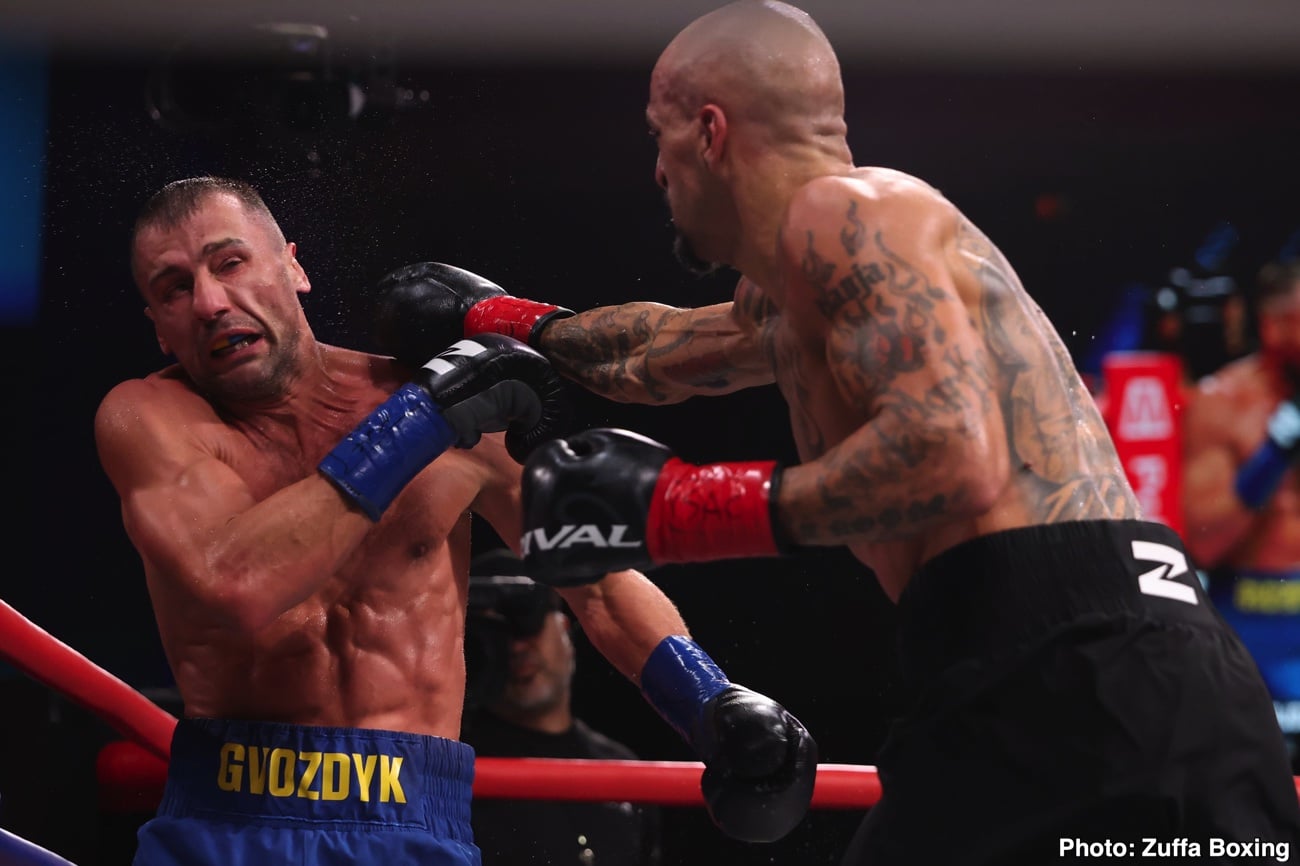

Some critics have questioned the decision because Gvozdyk performed well before the knockout. He dropped Kalajdzic twice and controlled much of the fight before getting stopped in the seventh.
That doesn’t erase the final result.
The defeat was Gvozdyk’s second in three fights, following his 2024 decision loss to David Benavidez. At 39, Zuffa isn’t investing in a prospect with years available to rebuild his value and develop into a major attraction.
That contract provision gave the promotion sensible protection.
Promoters commit substantial money, television dates, and publicity when they sign fighters. If performance declines or commercial value drops, the promoter needs an exit rather than remaining locked into a deal with someone who no longer delivers the anticipated return.
That becomes especially important for Zuffa Boxing while it is trying to establish itself with boxing fans. It needs fighters capable of driving ratings, generating interest or developing into future draws. It cannot afford aging veterans becoming expensive liabilities while delivering diminishing returns.
The critics on social media do not have to balance the company books.
In the real world, continued employment depends on performance. When someone no longer delivers what a company is paying for, termination becomes a possibility. Boxing is even less forgiving because every fighter represents an individual investment whose market value can change substantially after a loss.
Zuffa’s comments about not prioritizing perfect records shouldn’t be mistaken for an immunity policy. Encouraging fighters to take difficult bouts without obsessing over protecting their records is one thing. Bankrolling every boxer indefinitely after his value declines is something entirely different.
Losses still carry consequences in boxing. They affect rankings, commercial appeal, matchmaking options and public interest in the next fight. Zuffa can try to change the culture surrounding perfect records, but it cannot eliminate the financial consequences of losing.
Gvozdyk had an excellent career and previously held the WBC light heavyweight title. Those accomplishments don’t obligate Zuffa to finance the final stage of his career.
The company negotiated an early exit into the contract and used it after a 39-year-old fighter suffered his second loss in three fights. Fans may consider that cold. Zuffa has to consider something else: ratings, costs, and what each fighter can still contribute to a new boxing organization.
This isn’t charity.
Read the full article here
