

The effect of the US and Israeli military action against Iran has already been felt in the Formula 1 paddock: on Wednesday in Melbourne, there were no completed cars in the garages and many team personnel were yet to arrive, owing to flight delays and cancellations.
As such the mandatory ‘curfew’ on working hours was suspended and the pitlane remained a hive of industry long into the night.
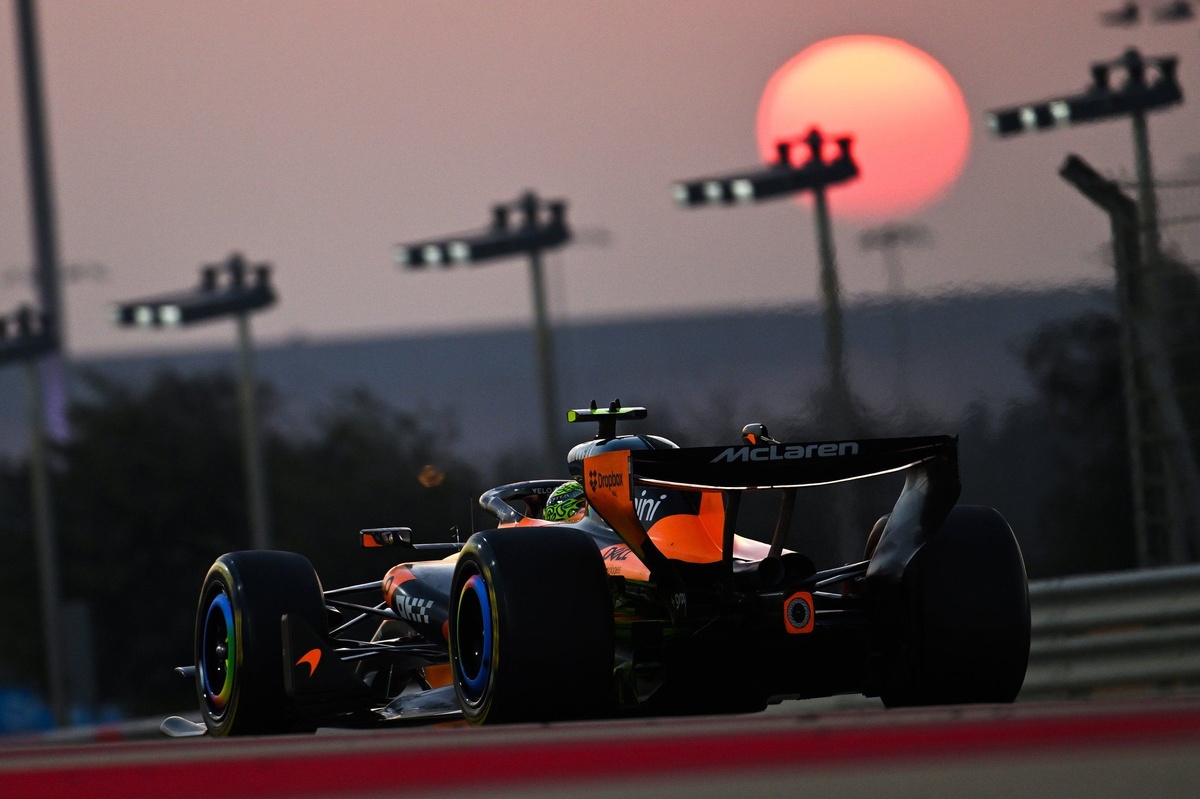
For those McLaren and Mercedes personnel who had been due to conduct the Pirelli wet-tyre test last weekend, the journey to Australia involved a road trip from Bahrain to Saudi Arabia, then flights back to the UK via Egypt before catching specially chartered flights from Stansted to Melbourne avoiding the closed airspace around the Gulf. Sources in the paddock confirmed that at least one flew via Tanzania.
In the UK alone – home to the majority of teams on the F1 grid – the Foreign Office advice is for nationals not to travel in the Gulf region, and as long as this remains in place it will be impossible to stage the Bahrain and Saudi Arabia Grands Prix next month. There would be no way of securing the necessary insurance.
The World Endurance Championship season opener in Qatar, scheduled for the last weekend in March, has already been postponed. But F1 doesn’t have this flexibility because its 24-event calendar is more tightly clustered, and the other Middle Eastern rounds are scheduled back-to-back with the Las Vegas GP in a widely disliked triple-header.
While in public, the messaging is that the commercial rights holder and governing body are waiting to see what happens, in reality the contingency planning is already under way because the conflict is expected to escalate in the short term.
Jeddah is an important location for F1 since state-owned oil corporation Aramco is a major sponsor
Photo by: Getty Images
Autosport understands that as things stand, it is highly unlikely the Bahrain GP will take place at all, and that while it was mooted for the Jeddah round to potentially shift into the gap between Miami and Montreal, this is both logistically sub-optimal and still open to disruption should the conflict rumble on.
There is a hard deadline for some decisions to be made in that the freight is due to be shipped to Bahrain after the Japanese Grand Prix on 29 March. It’s understood that another of the options on the table was for back-to-back races at Suzuka, but the main obstacle here was the promoter’s ability to ramp up to sell tickets for the second event to make it commercially sustainable.
While several venues held back-to-back races behind closed doors during the COVID-19 pandemic, this was an entirely different arrangement in that F1 was in effect hiring the circuits to fulfil its broadcast contracts, rather than the usual model of a race promoter paying the commercial rights holder to stage an event.
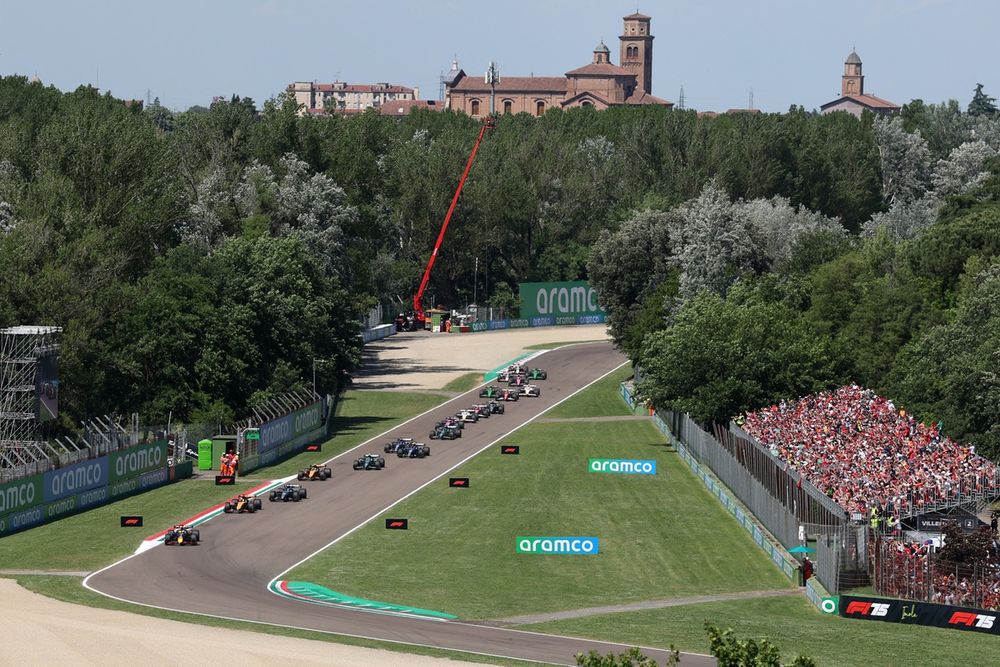
For the same reasons it’s unlikely that F1 will use European venues as stand-ins, although word has circulated within the paddock that all the hotels in the vicinity of Imola have already been speculatively booked for the 11-12 April weekend – Bahrain’s slot.
It would be exceedingly difficult to set up to stage a commercially sustainable grand prix event within a matter of weeks, for this would involve not only selling ordinary tickets, but also facilitating the VIP hospitality, which does much to underpin F1’s event revenues.
There are logistical requirements for these facilities, as well as for the team motorhomes, which would have to be extracted from storage and transported by road.
Max Verstappen, Red Bull Racing
Photo by: Red Bull Content Pool
By the same token, there is less pressure on F1 to stage events than in the COVID years, because it is already well over the threshold of races per season to fulfil its broadcast contracts. Indeed, it’s understood that such lobbying as there has been to replace the Bahrain and Saudi GPs has come from the teams themselves, who want to guard their share of F1’s commercial revenues – though this is not, of course, the messaging in public.
The question will be high on the agenda in F1 CEO Stefano Domenicali’s regular meeting with the team principals, scheduled for Saturday morning.
“There’s been very little communication about it yet because of the effort that it took just to get here to Australia,” said McLaren boss Zak Brown.
“Obviously the sport ourselves, the fans, the partners, our race team – all that will be of the utmost importance from a safety point of view. We’ll just have to see how things play out and we’ll make the right decision for the health of everybody involved in the sport.”
On the subject of the financial impact on the teams of cancelling races without replacing them, Brown was suitably diplomatic. Bahrain’s sovereign wealth fund owns the McLaren Group and is a majority shareholder in McLaren Racing.
“Probably it all kind of depends,” Brown said. “Do the races get replaced, do they get delayed? And the economics around that.
“But I think given what’s going on, we’re not bothered if it does have a little bit of a financial impact.”
We want to hear from you!
Let us know what you would like to see from us in the future.
Take our survey
– The Autosport.com Team
Read the full article here