



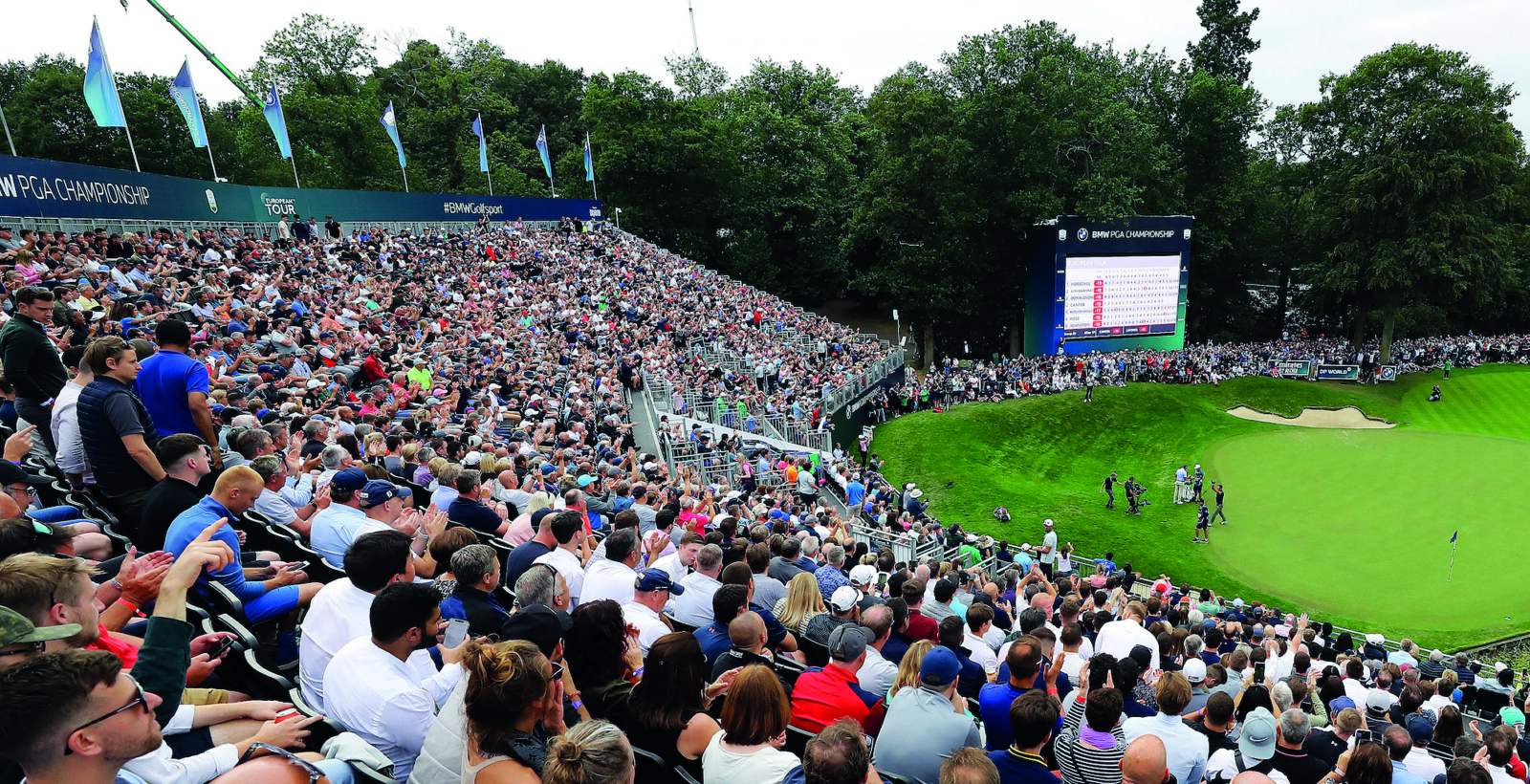
There is a specific kind of hush that descends upon a golf course when the final pairing walks toward the first tee on a Sunday afternoon. You’ve seen it. The shadows are a bit longer, the gallery is ten deep, and the air feels heavy with the kind of tension you can almost taste. For the players involved, being in that last group isn’t just about the leaderboard standing; it’s about stepping into a completely different headspace where the rules of the game actually seem to change.
While many argue that “chasing” from a few groups ahead is easier because you can post a number and wait, the reality is that the final group holds the ultimate trump card: control.
The Power of the Last Look
When you’re in the final pairing, you are never guessing. If the leader makes a messy bogey on the 14th, you see it happen in real-time. You don’t have to rely on a distant roar or a flickering scoreboard to know where you stand. This immediate feedback gives you a sense of clarity that the “chasers” simply don’t have. If a par wins the tournament, you play for the middle of the green. If you need a birdie, you take the aggressive line. It sounds simple, but that clarity is worth its weight in gold when the pressure starts to mount.
Then there’s the pacing. The final group often moves at a slower, more deliberate rhythm. While the groups ahead might be rushing to finish before the light fades or trying to force a momentum shift, the final pair gets to set the tempo for everyone else. They own the clock.
Atmosphere and the Market Pulse
It is also worth noting how the environment shifts around these players. The crowds are massive, and the energy is electric, but that spotlight acts as a shield for some. It focuses the mind. Interestingly, crowd energy and visibility are factors sometimes priced into golf betting markets when assessing final-round pairings, mostly because analysts know that some guys just feed off that noise, while others start to look for the exits.
Is it harder to putt with thousands of people holding their breath? Maybe. But having the “last say” on the 18th green is a luxury that every professional golfer craves. You aren’t watching the trophy presentation on a monitor in the clubhouse; you are the one holding the putter.
Data, Instincts, and the Closing Stretch
We talk a lot about the “gut feeling” of a Sunday back nine, but even at the highest level, pure instinct is getting a massive assist from data. Players now go into these final rounds with a mountain of information regarding wind patterns, pin tendencies, and historical green speeds. But being in the final group means you actually get to see how those numbers hold up under the afternoon sun. You’ve seen how the greens have dried out over five hours of play. You know exactly how the ball is reacting because you’ve had the longest possible time to observe the course baking.
It isn’t always a walk in the park, though. The wait can be gruelling. Sitting in a hotel room until 2:00 PM while the rest of the field is already out there making birdies can mess with your head. You have to be comfortable with the silence before the storm.
Ultimately, the final group is where legacies are actually managed. It’s the only place on the course where you are truly the master of your own fate.
Do you think it’s better to lead from the front, or do you prefer the “nothing to lose” mentality of attacking from five shots back? Let us know your thoughts in the comments below.
Read the full article here


