

Formula 1 stakeholders have reached an agreement on the main elements of the next engine rules cycle.
The FIA and F1 engine manufacturers have opted against a naturally aspirated option, partly because of noise restrictions at street circuits, with a smaller and simplified electronics package.
A push-to-pass overtake mode is also under consideration, along with a possible debut in 2030.
While discussions are still ongoing, the engine set to define the next technical cycle in F1 has largely taken shape. Meetings between the FIA and the manufacturers will continue to finalise the remaining details, but a substantial agreement has been reached on the key points with the focus on a simpler and lighter power unit, one that is considered closer to the traditional concept of a racing engine.
A return to V8 engines
F1 is set to move to 3.0-litre V8 architecture, but one of the issues that most divided the engine manufacturers was whether to retain the turbocharger.
The possibility of opting for a naturally aspirated engine was also on the table, a solution that would have delivered a sound particularly appealing to fans nostalgic for F1 in the early 2000s.
Fernando Alonso, Renault R25, leads Michael Schumacher, Ferrari F2005
Photo by: Motorsport Images
However, the turbocharger element will remain as part of the power unit configuration, but the reasons behind the decision go beyond purely technical considerations.
A naturally aspirated 3.0-litre V8 would have reached noise levels that would cause a major problem with some of the current F1 venues.
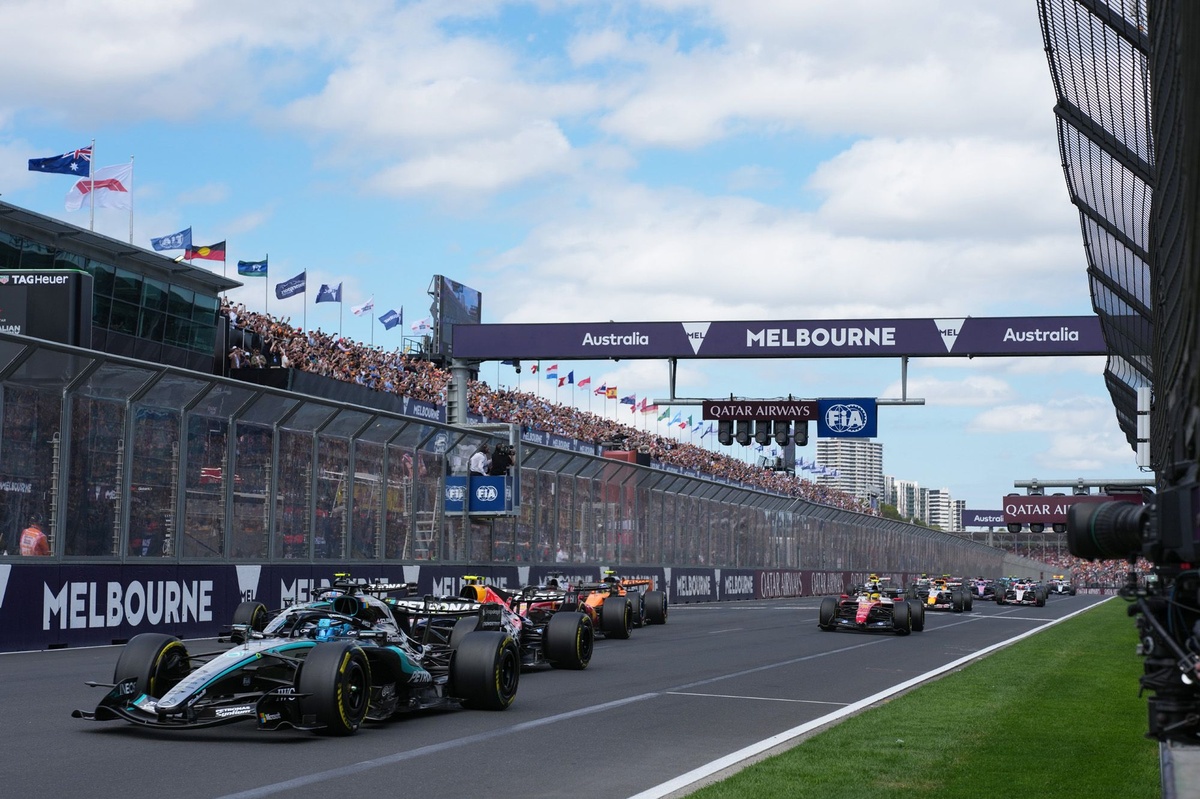
The issue concerns street circuits in particular: Melbourne, Miami, Madrid, Singapore, Baku and Las Vegas are venues where noise-emission restrictions are in place, and the arrival of cars significantly louder than the current generation could create major difficulties that would be impossible to overcome and potentially even put some events at risk.
This has led to the decision to retain a smaller turbocharger, a compromise that should still make it possible to achieve a considerably louder sound than that of the current power units, while keeping noise levels within limits applied at some F1 circuits.
Smaller electrical motor and lighter power units
The new V8 will not be completely detached from electrification either. The new rules look set to include a simplified 100kW electric motor, a considerably lower output than the 350kW current generation of power units.
The aim is to maintain a technological link with the automotive industry without replicating the complexity that has characterised the latest generation of power units. The direction emerging from the discussions is clear: electric power will remain part of F1, but with a less dominant role within the overall package.
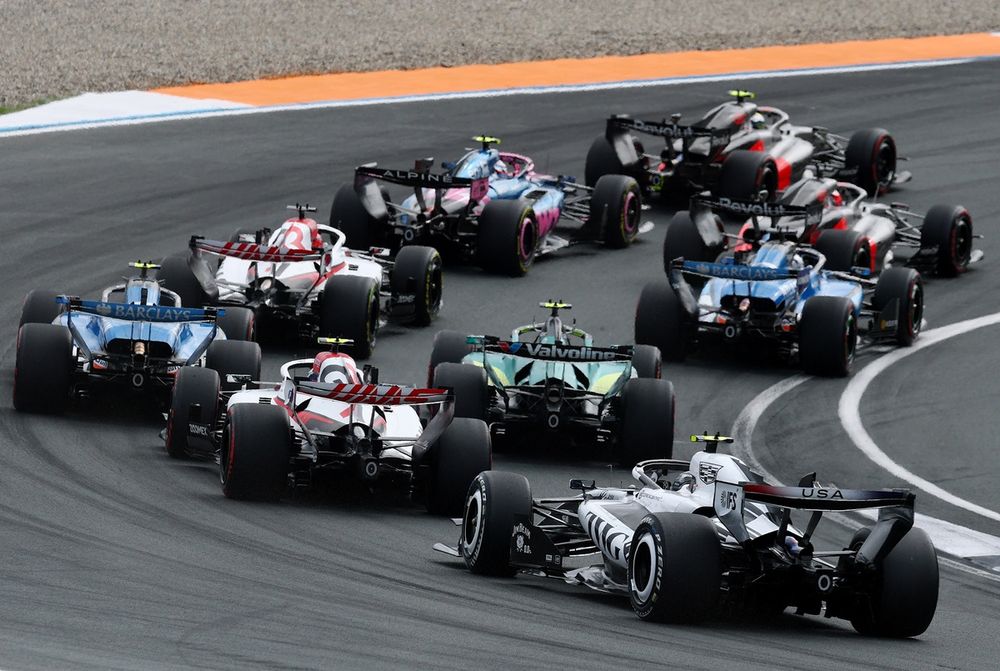
Start action
Photo by: Clive Rose / Getty Images
Another area where the lessons of recent years appear to have been taken on board concern the weight of the overall power unit. The target set for the new power unit is highly ambitious: to produce a complete unit weighing at least 50kg lighter than the current power units.
Push-to-pass and 2030 introduction being considered
Some aspects still need to be finalised. Among them is the system that will give drivers an additional power boost to assist overtaking manoeuvres.
There appears to be no intention to bring back the DRS used until the end of the 2025 season. The solution currently under consideration is closer to the push-to-pass philosophy adopted in IndyCar: a temporary increase in power that the driver could deploy under specific circumstances.
This will be one of the areas the FIA and the engine manufacturers still need to reach a definitive agreement on.
When the new regulations will be introduced in F1 also remains open, with the plan to debut the new rules in 2030 an option, which would bring forward the end of the current technical rules cycle that began by one year.
Reaching a decision will require all parties to find common ground, but the issues that have emerged with the current generation of power units have accelerated a broader discussion that goes beyond individual technical details. After pushing hard on technological complexity, F1 appears keen to return to a more traditional concept of a racing engine.
We want to hear from you!
Let us know what you would like to see from us in the future.
Take our survey
– The Autosport.com Team
Read the full article here