



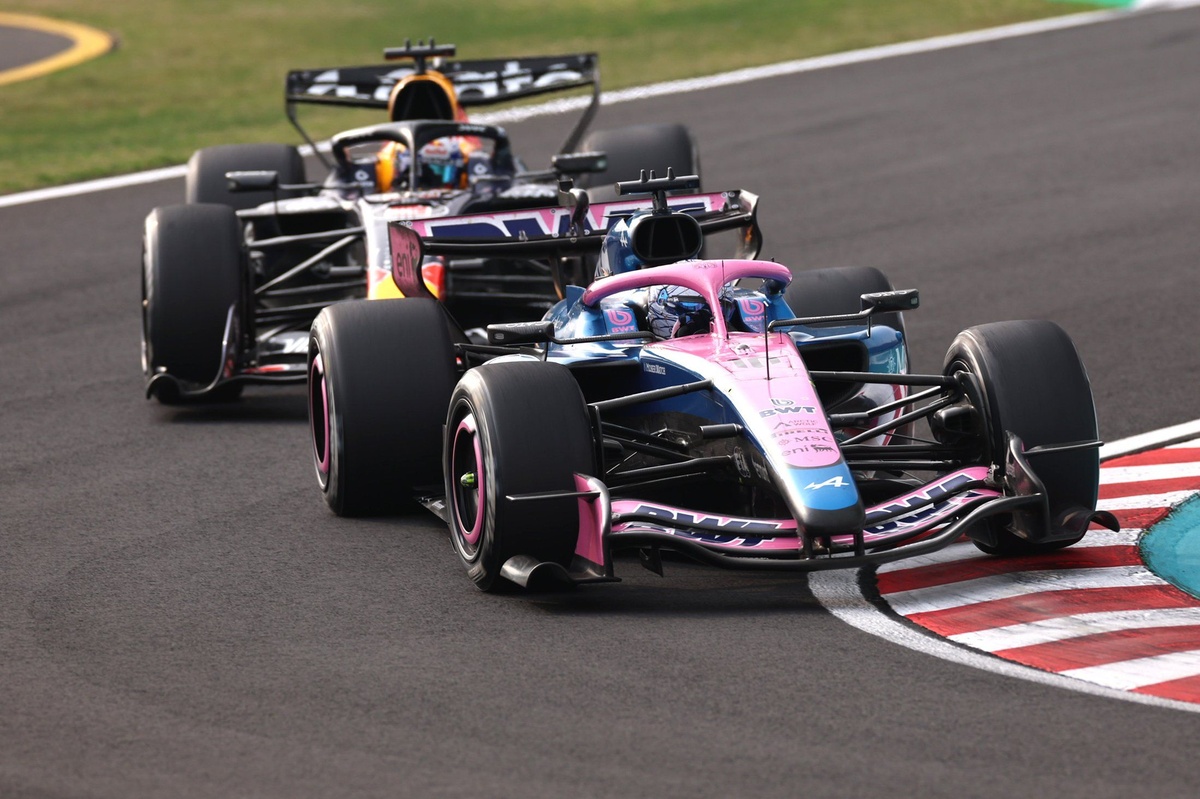
Many teams felt the weight of expectation heading into Formula 1’s 2026 season, particularly through their own publicly declared intent of entering the championship’s latest era with a sizeable impact. Those who had enjoyed success wanted to sustain it, and those starved of results wanted to use the reset to their advantage.
It wasn’t entirely surprising that Mercedes vaulted to the top of the tree; the discourse amid the prelude to 2026 had suggested that the Brackley squad was very much on course to return to its pre-2022 stomping ground at the front. Nor was it a surprise that newcomer Cadillac pitched up at the back of the grid; the American team had put a team together from scratch and built the entire car itself, to that end, it’s impressive that it’s not too far away from the established runners.
Yet, there are those who have enjoyed a significant turnaround in fortunes from last year. Viewed through the lens of pre-season testing, the following examples might not entirely pose as true surprises; when compared to 2025, however, it adds perspective to their achievements – or lack thereof – so far.
The surprises
Kimi Antonelli
Andrea Kimi Antonelli, Mercedes
Photo by: Alex Bierens de Haan / Getty Images
There are those who believe that rookie drivers should be able to step into F1 and perform consistently from the get-go, but in reality a driver needs at least one season to flush the mistakes out of their system. It’s the second season that matters, and the ability to demonstrate a marked improvement on the first year and race without the culture shock of being at a circuit for the first time.
Kimi Antonelli demonstrates the value of patience. While the Italian starred in his opening F1 races last year, rookie mistakes and ill fortune permeated into his season throughout the European portion of the season. Once on more familiar ground after a mid-season suspension switch had cost the teenager his bearings, Antonelli turned in some impressive drives towards the end of the season – his Las Vegas run to third among them.
Now imbued with a potent cocktail of experience and confidence, Antonelli has started 2026 in excellent fashion. While there’s a case to be made that his gains had come as a result of misfortune for team-mate George Russell, the Antonelli of early 2025 might not have taken those chances.
Generally speaking, 2025’s rookie crop has shown great improvement into the new season. Ollie Bearman was sublime in the opening two rounds of the season and sits seventh in the championship, Isack Hadjar has outperformed Max Verstappen in qualifying, and Gabriel Bortoleto has enjoyed impressive flashes of performance – albeit restricted by Audi’s penchant for haemorrhaging positions at the starts.
Alpine and Haas

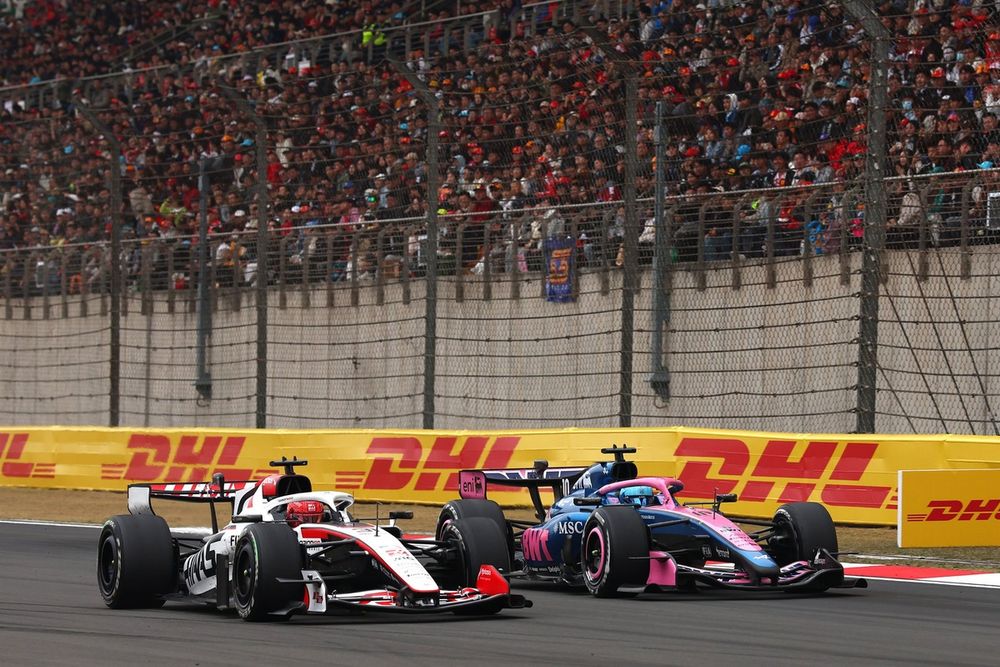
Pierre Gasly, Alpine, Esteban Ocon, Haas F1 Team
Photo by: Andy Hone/ LAT Images via Getty Images
After three races, Haas and Alpine occupy fourth and fifth in the constructors’ championship. For Alpine, it’s a significant turnaround; after propping up the teams’ standings throughout last year, the Anglo-French squad chose to ditch its focus on 2025 early to put its eggs into the ’26 basket.
It’s a decision that, so far, has paid off. The new A526 looked strong in pre-season testing with its new Mercedes powertrain, although an off-weekend in Melbourne hadn’t exactly demonstrated the expected step up in performance terms.
Since then, the team has headed the midfield thanks to the endeavours of talisman Pierre Gasly, who continues to be a class act. The Frenchman has qualified seventh in the past two rounds, and has already accrued two-thirds of his points tally from last season. Franco Colapinto has also managed a point, although it’s taken the Argentine a bit longer to get dialled into his new car; the front end of this year’s Alpine is a bit of a weak point, and perhaps isn’t as ‘on-the-nose’ as Colapinto would like.
Haas has also been in resplendent form, more impressive when one considers that the team had developed late into 2025. Ayao Komatsu’s leadership of the team has been a revelation, and it continues to make the most of the smaller resources at its disposal while other, larger teams take a more profligate approach. As mentioned, Bearman started the season incredibly strongly; while Suzuka was a tougher weekend for the Briton, Esteban Ocon picked up the pieces and added an extra point to maintain Haas’ stay in the top four in the championship.
The Red Bull Ford power unit
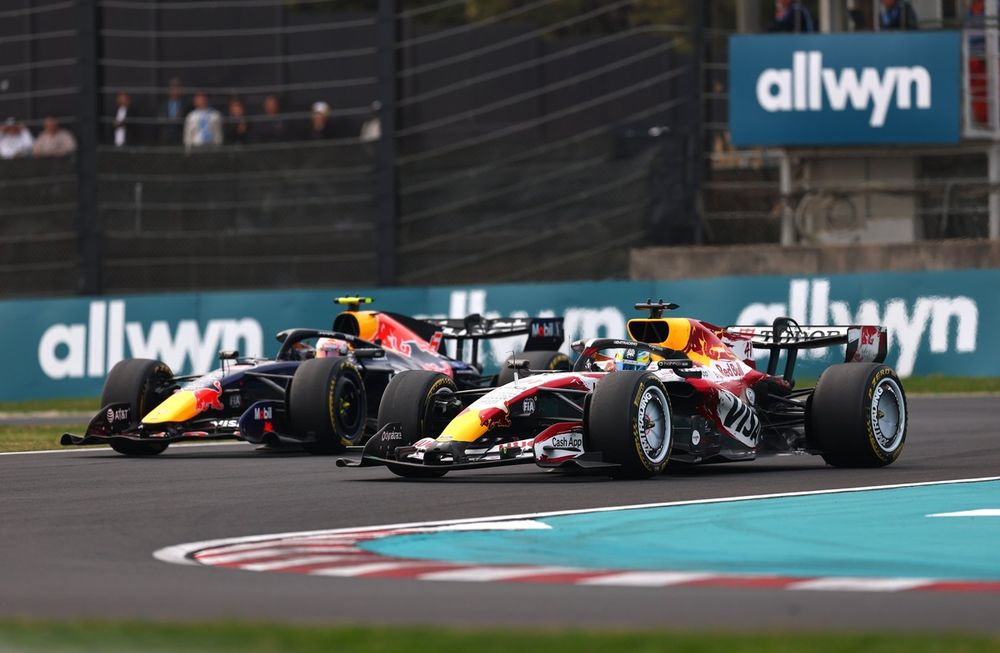
Arvid Lindblad, Racing Bulls, Isack Hadjar, Red Bull Racing
Photo by: Simon Galloway / LAT Images via Getty Images
The rumours are that the maiden effort from Red Bull Ford Powertrains is so impressive that it won’t be entitled to any updates in the opening ADUO phase. Although stocked with a smorgasbord of experienced staff cherry-picked from other manufacturers, the Red Bull Ford operation has already started on good footing, and the capabilities of its electrical hardware in particular have been lauded by other teams.
Its power delivery and top speeds are good, putting the powertrain somewhere between Mercedes and Ferrari in the pure performance stakes. The Racing Bulls in particular has been incredibly difficult for the other midfielders to overtake, offering Liam Lawson and Arvid Lindblad a platform to demonstrate their worth behind the wheel, and Red Bull has shown great top speed throughout the season so far.
“We have a good power unit. The engine is good,” Hadjar mused in the wake of the Japanese Grand Prix. The rest of that sentence, however, will be covered off in the next section…
The disappointments
Red Bull
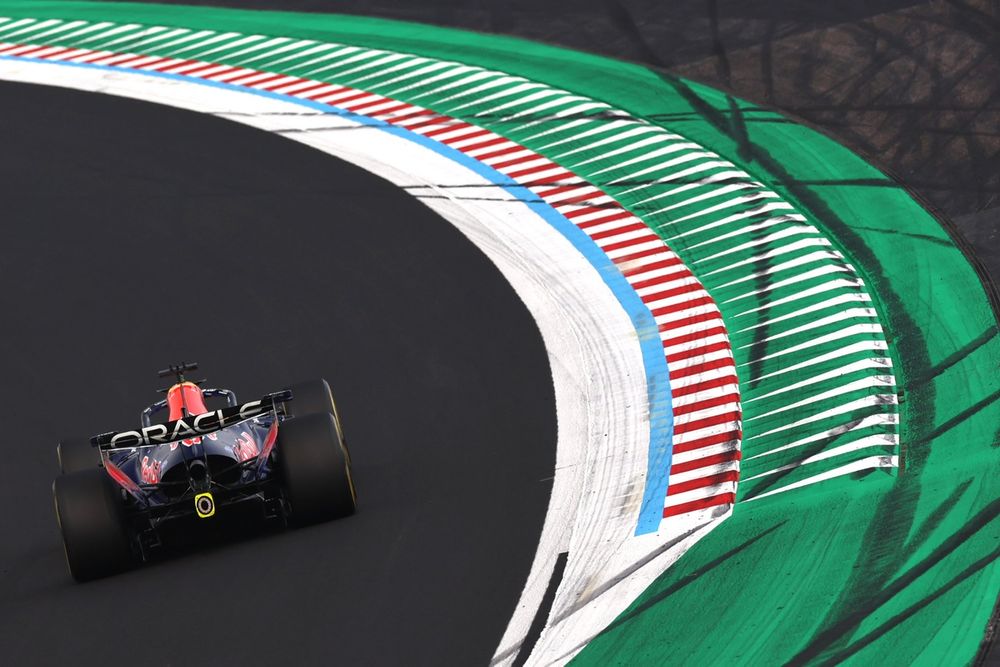
Max Verstappen, Red Bull Racing
Photo by: Alastair Staley / LAT Images via Getty Images
Hadjar continued: “The chassis side is terrible. We’re just slow in the corners for once”. Indeed, driving the RB22 gives the impression of trying to herd cats through a doorway, to the point where Verstappen looks particularly demotivated as the car no longer has the front-end sharpness to which he had become accustomed.
As mentioned, top speed is not a problem; instead, the RB22 really tends to struggle in the corners and in traction. GPS shows that, when measured against Gasly’s Alpine, the Red Bull has a much lower minimum speed through the lap and struggles for traction outside of deployment zones.
When the Red Bull drivers do use their deployment, the torque available tends to negate this, as demonstrated by Verstappen getting up to speed much quicker on the exit of Suzuka’s Spoon curve. But, through the Esses where the cars were running off just the internal combustion engine, the Red Bull could not put its power down.
The team continues to go through a wave of change; long-time stalwarts Christian Horner, Adrian Newey, Jonathan Wheatley, and Helmut Marko are gone, and Gianpiero Lambiase’s move to McLaren was confirmed on Thursday. Laurent Mekies has a colossal rebuilding job on his hands if the team is to become competitive once again.
Williams
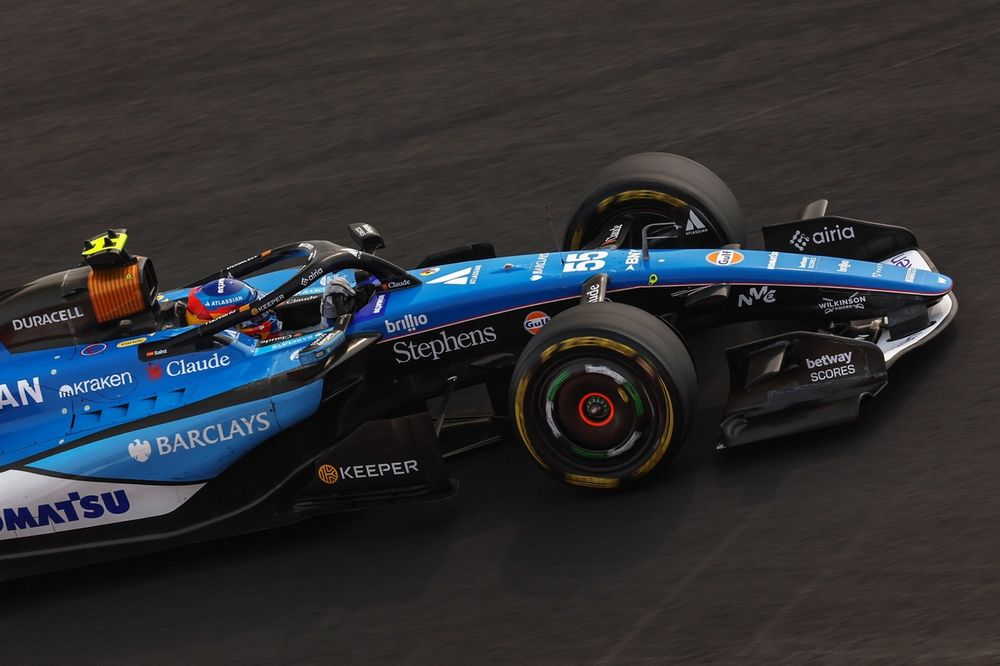
Carlos Sainz, Williams
Photo by: Alastair Staley / LAT Images via Getty Images
Like Alpine, Williams made the decision to minimise its 2025 development in favour of 2026. Unlike Alpine, Williams was much more vocal about it, adding more pressure upon the Grove team to succeed in F1’s new era as James Vowles’ internal reforms continue to modernise the once-great outfit’s infrastructure. Yet, it hasn’t quite happened that way.
Although Vowles tried to put a brave face on the situation, all signs indicate that Williams had attempted to take a slightly more aggressive approach with its chassis, but needed to add weight into the tub to ensure that it could pass the crash tests. The extra weight in the car has cost the team a few tenths in qualifying, but this is not the only issue with the FW48; the car has a tendency to three-wheel in grip-limited corners, and lacks a smidgen of downforce as well versus its midfield rivals.
There’s a lot for the team to do in order to course correct. While Vowles has done an admirable job in rebuilding the team after years of under-performance, navigating the current choppy waters will be a test of his resolve.
Aston Martin – Honda
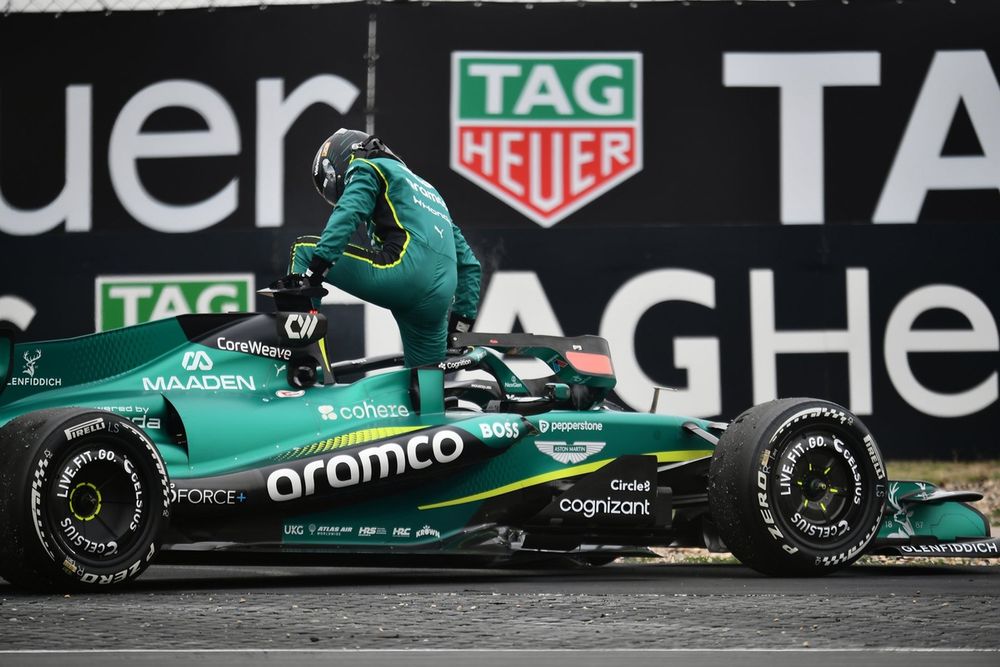
Lance Stroll, Aston Martin Racing
Photo by: James Sutton / Formula 1 / Formula Motorsport Ltd via Getty Images
Pound-for-pound, probably the biggest surprise on the list. The long list of problems with the current Aston Martin package has been well documented: a car that vibrates like an electric toothbrush, an engine that’s down on power, an ERS that struggles to harvest efficiently, and a design that looks the part but lacks any kind of balance – and conspicuously remains untested at higher performance levels.
The late arrival of Adrian Newey’s first Aston Martin in the Barcelona test was largely forgotten about given the apparently eye-catching form factor of the AMR26, although a cynical mind might suggest that the Newey factor drove up the expectations. The team could have unveiled a green breezeblock, and some would swoon at its mere presence…
As it stands, the Aston Martins are struggling to clear even the Cadillacs in qualifying, such is the malaise at the team. Fernando Alonso claimed the team’s first finish of the year, but the sense that everything is simply very undercooked is very hard to shake.
The work on Honda’s new powertrain started much later compared to the other manufacturers, and the new car is running at least three months behind everyone else’s designs. It’s probably a good thing that the team has a break to refocus its efforts, rather than sit on the end of another drubbing in Bahrain and Saudi Arabia.
We want to hear from you!
Let us know what you would like to see from us in the future.
Take our survey
– The Autosport.com Team
Read the full article here


