

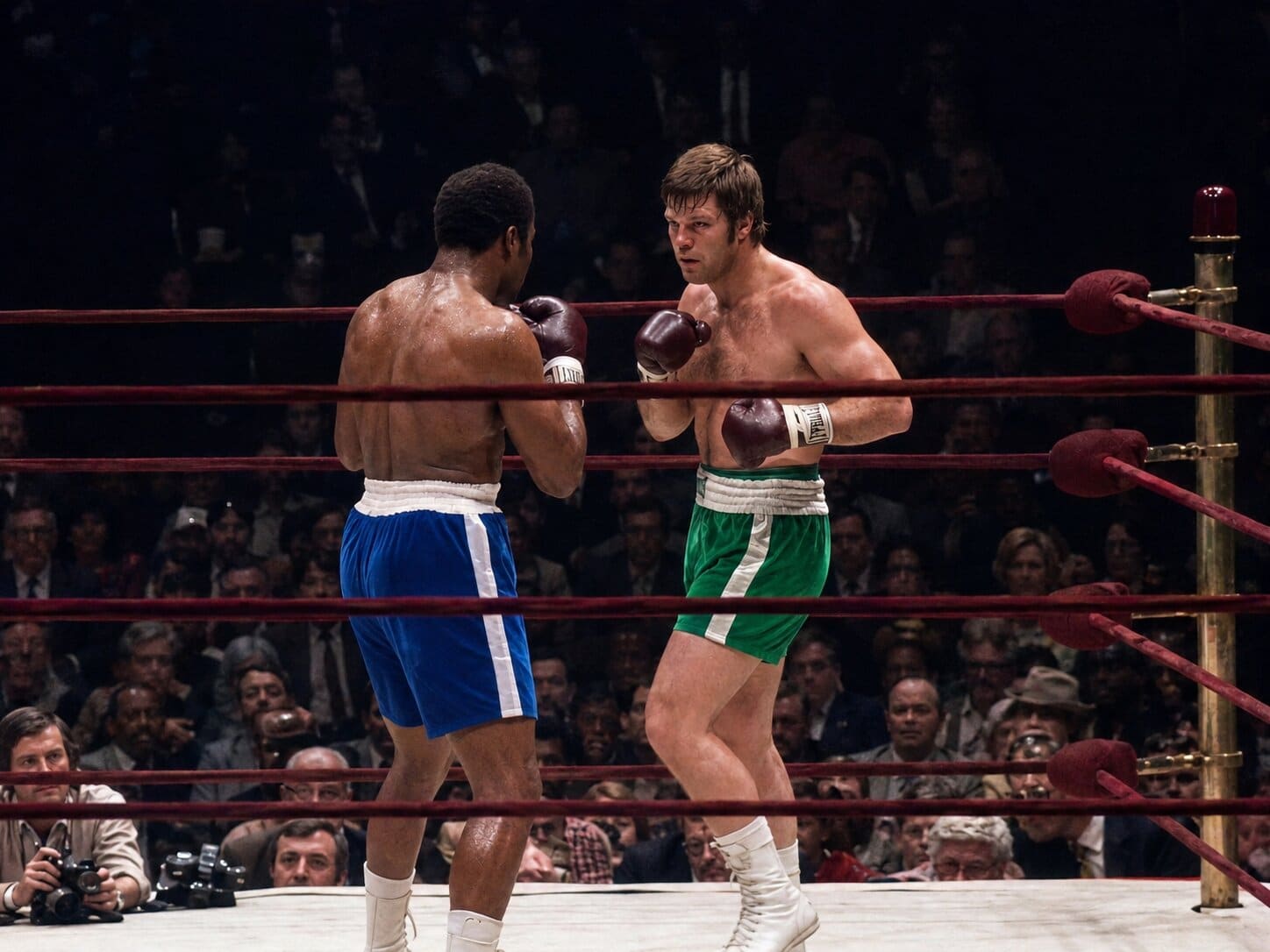

Both fighters were 28. Quarry weighed 202 pounds, eight lighter than Shavers.
The buildup had almost guaranteed violence. Quarry predicted three rounds and believed he could finish Shavers in one if his opponent came after him. Don King, then part of Shavers’ management team, called it their easiest fight. Madison Square Garden matchmaker Teddy Brenner went further, predicting the shortest 12-round fight in history. He wasn’t far off.
Trainer Gil Clancy wanted Quarry to box, but Quarry abandoned that idea almost immediately. Instead of giving Shavers room to unleash his power, he attacked him.
Quarry drove Shavers toward the ropes and unloaded lefts and rights to the head. Shavers managed to move away, but Quarry followed him across the ring and dropped him with a left-right combination.
Shavers got back up, only to find Quarry waiting for him. Quarry poured on punches as Shavers struggled to defend himself. His eyes looked unfocused, and he was taking clean shots without answering effectively. Referee Arthur Mercante had seen enough and stopped the fight at 2:21 of the opening round. There would be no need for judges Jack Gordon and Bill Recht.
The result was stunning because Quarry had beaten the knockout artist by fighting him at his own game. George Foreman, Joe Frazier, and Muhammad Ali were among the prominent names at ringside. Foreman reportedly expressed surprise that Quarry had chosen to trade with Shavers and came away impressed by his aggression.
Ali and Frazier had another reason to be at the Garden. Their January 28, 1974 rematch was already set for the same arena and was promoted during the Quarry-Shavers telecast. Frazier discussed getting his weight down and preparing for Ali before the main event, while viewers were urged to buy tickets for their second fight.
Their rematch also strengthened Quarry’s position in the heavyweight picture. With Ali and Frazier committed to fighting each other, the broadcast team noted that neither man would likely be available for Foreman until around June. Quarry’s destruction of Shavers suddenly made him an obvious candidate to challenge the champion before then.
Quarry paid a physical price despite the short night. He injured his left wrist after landing a hook high on Shavers’ head, with reports raising concern over a possible fracture.
Shavers later admitted that the first heavy blows had left him unable to recover. He regretted rising so quickly after the knockdown, believing that taking more of the count might have given him enough time to survive the remaining seconds of the round.
Nearly 15,000 spectators had come expecting to see what happened when Shavers’ frightening power collided with Quarry’s durability and experience. They barely had time to settle into their seats.
The official attendance was 14,962, producing a gate of $201,564. Quarry was guaranteed $40,000 against 30 percent of the gate, while Shavers received $30,000 against 27½ percent.
The victory strengthened Quarry’s position near the top of a stacked division ruled by Foreman, but the championship opportunity never followed. Quarry instead met Frazier again the following year and was stopped in five rounds.
Shavers rebuilt his career and eventually challenged both Ali and Larry Holmes for the heavyweight championship.
Neither man’s later career changed what happened that December night. Shavers arrived with the reputation as a devastating slugger, but Quarry never gave him enough time to use it.
For 141 seconds, Quarry simply beat him to the punch.
Read the full article here