

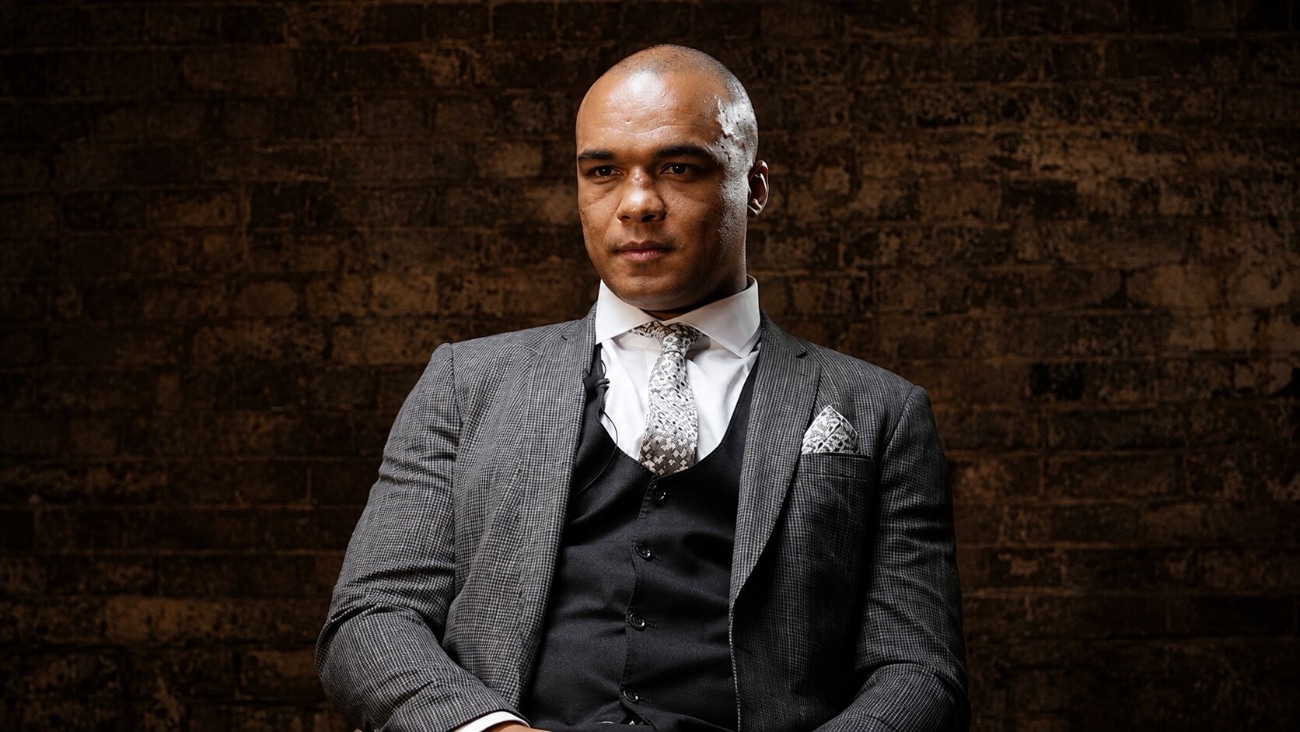

“Weirdly, not as hard as I thought. I think that again also played into how things played out because I took a few shots coming in and I thought, ‘Okay, they’re not the most fun, but they’re also not the most concerning either.’ I thought, ‘I’m all right here, actually. I’m okay.’ That combined with the knockdown, I just got overzealous,” Wardley told Frank Warren’s Queensberry Promotions.
Wardley’s explanation reveals the trap in judging heavyweight power by the first few punches. Dubois did not need to hurt him with every connection. His steady accumulation gradually reduced Wardley’s resistance after the defending champion had spent heavily trying to force the stoppage.
Each knockdown also created a psychological hazard. Wardley was building a mathematical advantage while receiving physical proof that Dubois was vulnerable. That combination tempted him to treat the next opening as an opportunity for an immediate knockout instead of another step toward a points lead.
Dubois refused to match Wardley’s urgency after the third-round crisis. He steadied the tempo, used less committed jabs to interrupt Wardley’s approach, and pushed himself beyond range whenever Wardley charged behind the same jab-right-hand sequence. Those simple resets forced Wardley to work harder before he could begin another attack.
The rematch therefore presents a difficult technical trade-off. A measured pace would preserve Wardley’s energy and give him a better chance of remaining dangerous late, but it would also remove some of the chaos and explosive pressure that helped him score those two knockdowns.
If Wardley attacks with the same urgency, Dubois can make him pay for every failed assault. By boxing patiently, however, Wardley gives the champion more time to establish his heavier work and superior fundamentals.
Wardley predicts an earlier knockout. He may be right about the timing, but his approach will determine which heavyweight produces it.
Credit label: AI-improved image.
Read the full article here