

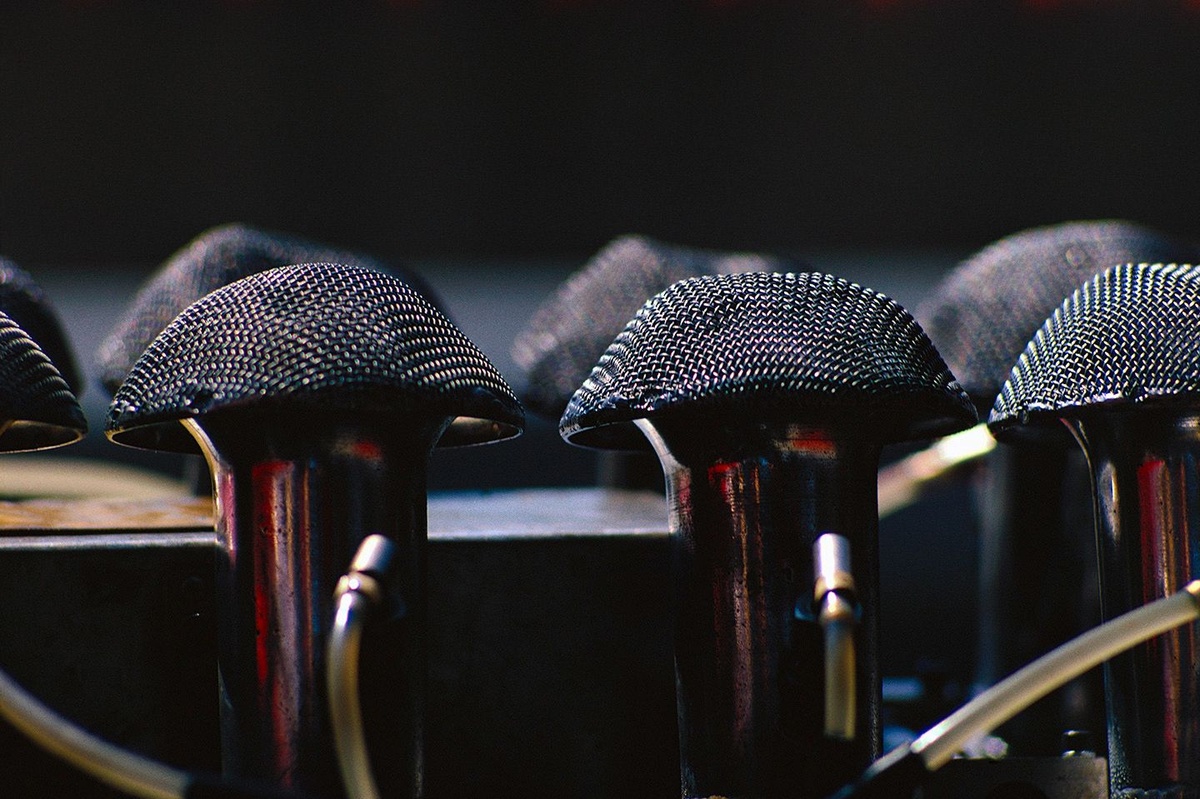
On one side lies the racetrack, on the other the automotive world. The engine set to power Formula 1 cars from 2031 will have to find a balance between these two aspects. Some are calling for a power unit conceived purely for racing and entertainment, while others are investing hundreds of millions of euros in technologies that must retain, even minimally, a connection to mass‑production road cars.
On one side stands FIA president Mohammed Ben Sulayem, determined to steer Formula 1 back toward an engine philosophy built primarily around the needs of motorsport: a naturally aspirated V8 with a small KERS. On the other side stand those who design and build the engines, the six manufacturers shaping the future of the category: Mercedes, Ferrari, Audi, Red Bull-Ford Powertrains, Honda and Cadillac.
Even among the manufacturers, however, positions are far from aligned. Ferrari, Cadillac and Red Bull are keeping an open mind, without dismissing the FIA’s vision. Mercedes and Audi are leaning more toward having a turbocharged unit, an understandable position for two automotive giants aiming to develop a product that is technologically more efficient and less detached from road‑car applications. The issue is that the presence of a turbocharger would inevitably reduce engine noise, which is considered a priority to restore by Ben Sulayem.
Even on this topic, there are question marks. Today, about 50% of Formula 1’s audience is under 35, a generation that has never witnessed a live grand prix with engines capable of screaming close to 19,000 rpm and producing a sound level vastly different from what we hear today.
Very few F1 fans today have actually witnessed a V8-powered race live
Photo by: Mark Sutton / Formula 1 via Getty Images
“It’s one thing to watch a road show with a single naturally aspirated car running alone for 10 minutes,” an engineer explained in the Austrian paddock. “But it’s something else entirely to have 22 cars on track for a two‑hour race. Are we really sure this is what the audience will want in 2030?”
While the debate over noise remains wide open, there seem to be far fewer doubts regarding the inclusion of KERS – a kinetic energy recovery system. Its power output is expected to settle between 10-20% of what the internal combustion engine delivers, since nobody wants to risk repeating the lift‑and‑coast scenarios that defined 2026. That trauma left a mark. Even the turbocharger, should it be confirmed, will have to play a limited role.
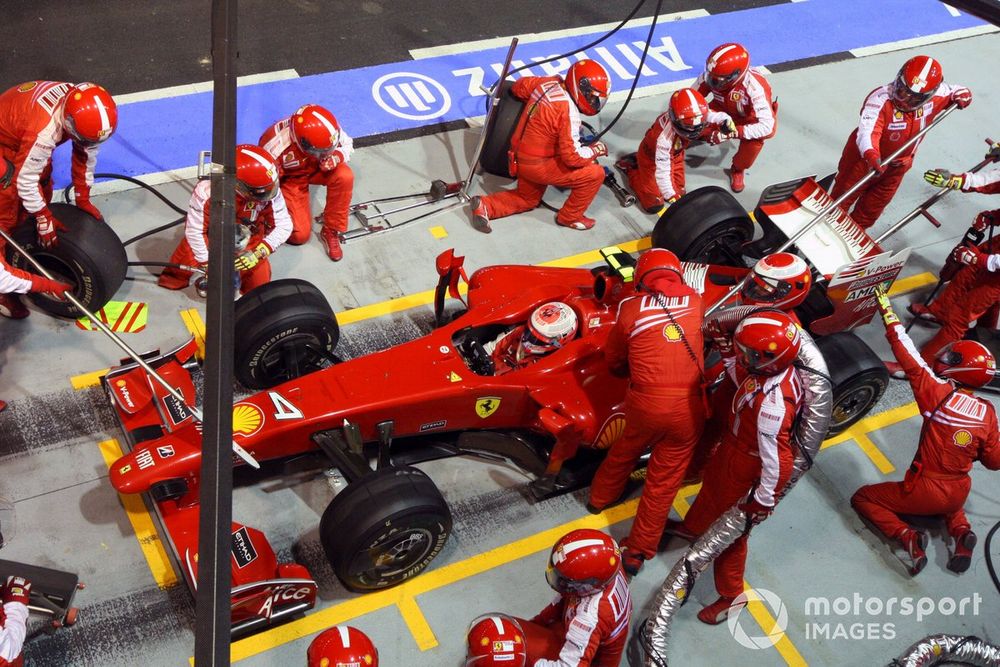
Formula 1 hasn’t featured in-race refuelling since 2009
Photo by: Andre Vor / Sutton Images
The controversial plan: Bring back in‑race refuelling
One of the goals the FIA has set for the new engine project is a significant reduction in car weight. The target is to return to around 700kg, and possibly even drop below that threshold. Simplifying the power unit would move precisely in this direction: much more compact batteries and a scaled‑back hybrid component would allow the cars to become lighter and, at the same time, smaller in overall size.
With this in mind, a proposal that once seemed permanently shelved has resurfaced: the return of in‑race refuelling. On paper, the advantages would be significant. With smaller fuel tanks, the cars could be more compact, and the amount of fuel loaded at the start of a grand prix would be less than half of what it is today. The result would be a weight reduction of more than 50kg when the lights go out.
On this front, however, the path forward appears far more complex. The issue is not so much the safety concerns that led to the ban on refuelling at the end of 2009, since today’s technologies would allow for much higher standards. Rather, the main obstacle lies in the philosophy Formula 1 has embraced in recent years, increasingly focused on reducing the amount of equipment transported to each circuit.
In 2023, Formula 1 decided to reduce the number of tyre sets available during a weekend from 13 to 11 as part of a broader sustainability initiative. Reintroducing all the equipment required for refuelling, with a logistical impact certainly greater than that of the two eliminated tire sets, would amount to a U‑turn that is difficult to justify.
It is also for this reason that the battle over the 2031 engine has only just begun. Reducing weight, costs and complexity is a goal shared by all. The path to achieving it, however, is far less agreed upon.
We want to hear from you!
Let us know what you would like to see from us in the future.
Take our survey
– The Autosport.com Team
Read the full article here